Flea Anemia in Cats and Dogs in Holly Springs, NC: What Pet Owners Need to Know

If you live in Holly Springs, NC, fleas aren’t just a summer nuisance — they’re a year-round risk for cats and dogs. With North Carolina’s warm climate, flea populations thrive, and in severe cases, they can cause life-threatening anemia in pets.
Many pet owners don’t realize how serious fleas can be — because sometimes pets don’t even itch.
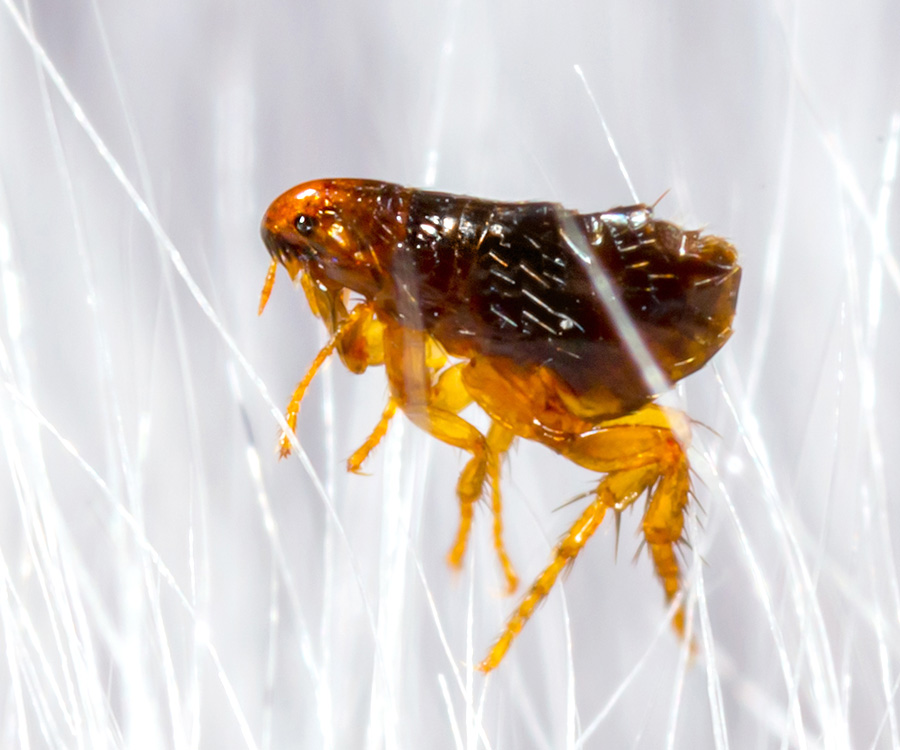
Fleas Don’t Just Itch — They Drink Blood
Fleas survive by feeding on your pet’s blood. When infestations become heavy, the blood loss can lead to anemia, which means there aren’t enough red blood cells to carry oxygen through the body. In severe cases, this can become life-threatening.
What makes this especially dangerous is:
- Pets may not scratch unless they’re allergic to flea bites
- You may not see fleas if your pet grooms frequently
- Infestations can grow without obvious symptoms
That means your dog or cat in Holly Springs could have fleas — even if they seem completely fine.
Pets Most at Risk in Holly Springs, NC
Flea anemia typically affects:
- Kittens raised outdoors
- Outdoor cats
- Puppies
- Elderly pets
- Pets with weakened immune systems
Young animals are especially vulnerable because they don’t have much blood to spare and can’t groom effectively.
This is especially important in Holly Springs neighborhoods, where pets may spend time:
- In wooded yards
- Near greenways and trails
- Around wildlife (raccoons, squirrels, opossums)
- At dog parks
- In multi-pet households
These environments make flea exposure more likely.
Signs of Flea Anemia in Dogs and Cats
Watch for these symptoms:
- Pale gums (light pink to white)
- Weakness or lethargy
- Cold body temperature
- Decreased appetite
- Weight loss
- Pets eating dirt or litter (iron-seeking behavior)
Veterinarians often diagnose anemia with a hematocrit (PCV) blood test to measure red blood cell levels.
If levels drop too low, pets may need:
- Blood transfusions
- Iron supplementation
- Immediate flea removal
- Supportive care
Why Fleas Are Common in Holly Springs, NC
North Carolina’s climate makes flea prevention critical:
- Mild winters allow fleas to survive
- Humidity helps flea eggs hatch
- Wildlife spreads fleas into yards
- Apartment communities allow easy transfer between pets
- Indoor pets can still get fleas from shoes or clothing
Because of this, vets recommend year-round flea prevention, not just summer treatments.
How to Prevent Flea Anemia
Here’s how Holly Springs pet owners can protect their pets:
1. Use Monthly Flea Prevention Year-Round
Topical treatments, chewables, and vet-recommended preventatives stop infestations before they start.
2. Check for Flea Dirt
Black pepper-like specks in fur are flea droppings — and a sign fleas are present even if you don’t see them.
3. Treat Your Home
If fleas are present:
- Wash bedding
- Vacuum carpets and furniture
- Treat yards if necessary
- Treat all pets in the home
4. Schedule Regular Vet Visits
Your veterinarian can help you choose:
- Safe flea preventatives
- Fast-acting treatments
- Long-term protection plans
The Bottom Line for Holly Springs Pet Owners
Fleas aren’t just annoying — they can be dangerous. Severe infestations can cause life-threatening anemia, especially in kittens, puppies, and older pets. The good news? This condition is completely preventable with consistent flea control.
If you live in Holly Springs, NC, staying proactive is the best way to protect your pets year-round.
Keep your pet protected, check regularly, and don’t assume “no scratching” means no fleas.