Pyoderma in Cats: What Holly Springs Pet Owners Should Know About This Skin Infection

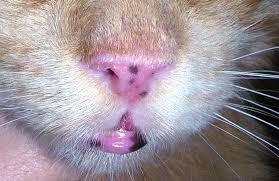
Skin issues in cats can be frustrating for both pets and their owners. If your cat has been scratching, losing fur, or developing irritated skin, a condition called pyoderma may be the cause. At Grace Animal Hospital in Holly Springs, NC, we frequently help pet owners identify and treat skin infections like this so cats can return to healthy, comfortable lives.
Understanding what pyoderma is and what causes it can help you recognize the signs early and seek proper veterinary care.
What Is Pyoderma in Cats?
Pyoderma is a bacterial skin infection, also known as bacterial dermatitis. In cats, this condition is most commonly caused by Staphylococcus bacteria, which infect hair follicles and create inflammation in the skin.
These bacteria normally live on the skin without causing problems. However, when something disrupts the skin’s protective barrier, the bacteria can multiply and cause infection. Interestingly, pyoderma is relatively uncommon in cats compared to dogs, which makes identifying underlying causes especially important.
Common Causes of Pyoderma
In most cases, pyoderma develops because another condition weakens the skin or immune response. Some of the most common underlying causes include:
Allergies
Food allergies or environmental allergies can irritate the skin and lead to inflammation, creating the perfect environment for bacterial infections.
Fleas and Parasites
External parasites such as fleas can damage the skin through bites and scratching, allowing bacteria to enter.
Hormonal Imbalances
Health conditions such as diabetes mellitus can affect the skin’s ability to fight infection.
Feline Acne
Cats can develop a deeper type of pyoderma on the chin known as feline acne, which can become infected if untreated.
Because pyoderma often occurs as a secondary condition, veterinarians focus on identifying and treating the underlying cause as part of the treatment plan.
Signs Your Cat May Have a Skin Infection
Cats with pyoderma may show several visible symptoms, including:
- Hair loss or thinning fur
- Red, inflamed skin
- Scabs or crusty patches
- Pustules or small bumps
- Excessive scratching or grooming
- Irritated areas around the chin or face
If you notice these signs, it’s important to schedule a veterinary exam. Skin infections can worsen quickly without treatment.
Treatment Options for Pyoderma
Treatment depends on the severity of the infection and the underlying cause.
Topical Treatments
Many cases can be treated with antibacterial shampoos, sprays, or medicated rinses designed to kill bacteria and soothe irritated skin.
Because cats groom themselves frequently, applying topical treatments can sometimes be challenging.
Antibiotics
More severe infections may require antibiotics. Common treatments may include injectable medications such as cephalosporin or oral antibiotics like amoxicillin-clavulanic acid.
For deeper infections, antibiotics may need to be given for a longer period.
One of the most important parts of treatment is completing the entire course of medication, even if the skin appears to improve early. Stopping antibiotics too soon can lead to antibiotic resistance or recurrence of the infection.
Why Follow-Up Veterinary Visits Matter
Recheck appointments are a key part of treating pyoderma. Your veterinarian may need to adjust medications or confirm that the underlying cause has been properly addressed.
Without treating the root issue, skin infections can return repeatedly.
Veterinary Care for Cats in Holly Springs, NC
If your cat is showing signs of skin irritation, early veterinary care can prevent infections from becoming more serious. At Grace Animal Hospital in Holly Springs, NC, our team provides comprehensive skin evaluations to determine the cause of your cat’s symptoms and develop a treatment plan tailored to their needs.
From diagnosing allergies and parasites to treating bacterial infections, we’re here to help your pet feel comfortable and healthy again.
If you’re concerned about your cat’s skin health, schedule an appointment with Grace Animal Hospital today and let our experienced veterinary team help your feline friend get back to feeling their best.