Hearing your veterinarian mention a tumor can make the rest of the conversation blur together, even when the news is manageable. Tumor removal surgery is one of the most effective tools available for treating pet cancer, and knowing what to expect can turn a frightening moment into a clear plan to help your pet.
At Grace Animal Hospital, we help pet owners throughout Holly Springs understand their options as soon as a growth is found. Our team includes board-certified surgical specialists who perform advanced cancer surgery using a conservative, preventive-minded approach, so you always know why a step is being recommended before it ever happens.
What Tumors Mean for Your Pet
Not every lump found on a pet is cancerous, and this distinction matters for how quickly treatment moves forward. Benign tumors tend to grow slowly and stay in one place, while malignant tumors grow faster and can spread to other tissues, which is why the American Veterinary Medical Association notes that approximately 1 in 4 dogs will develop cancer at some point in their life, with that risk rising for dogs 10 years and older.
Surgery remains one of the most direct ways to treat many solid tumors, since removing the mass entirely can eliminate the cancer in cases that are caught early. Our pet examinations are designed to catch these changes as soon as possible, and our pet diagnostic lab allows us to test tissue samples right here at our clinic without sending you elsewhere to wait on results.
How We Diagnose Before Recommending Surgery
Before any procedure is scheduled, we confirm what we are dealing with. A physical exam gives us the first clues, and bloodwork through our diagnostic lab helps rule out other conditions that can mimic a tumor’s symptoms.
Imaging and Sampling
Our digital radiology and vet ultrasounds let us see the size, shape, and location of a mass, along with whether it has spread to nearby organs. In many cases, we can collect a small sample of cells from the tumor to examine under a microscope, which helps confirm whether the growth is benign or malignant before you commit to a surgical plan.
Building a Plan Around Your Pet
Every recommendation we make accounts for your pet’s age, overall health, and how the tumor is positioned. This is where our low stress, gentle-handling approach makes the biggest difference, since a calm patient during diagnostics leads to more accurate results and a smoother path into surgery if it’s needed.
What Happens During Tumor Removal Surgery?
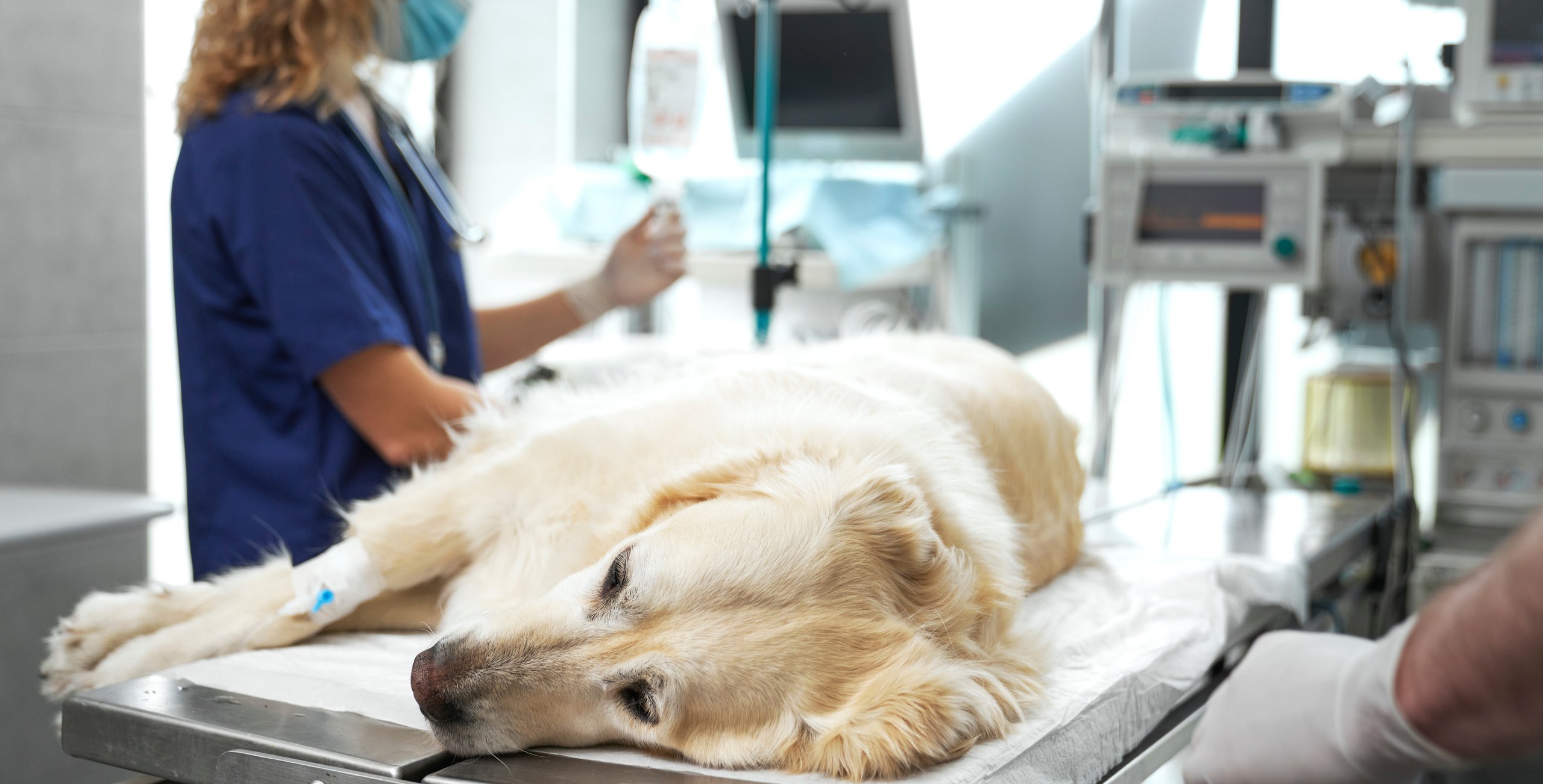
On the day of surgery, your pet is placed under general anesthesia and monitored closely throughout the procedure. Our surgical team removes the tumor along with a margin of healthy tissue surrounding it, which helps reduce the chance of the cancer returning in the same spot.
Depending on the tumor’s type and location, your pet may need one of the following:
- Marginal excision: Removes the tumor and a thin border of tissue, typically used for smaller or less aggressive growths.
- Wide excision: Removes a larger margin of surrounding tissue and is common for tumors with a higher chance of recurrence.
- Internal surgery: Addresses tumors located within the abdomen or chest, often guided by prior imaging.
- Orthopedic surgery: Used when a tumor involves bone or joint tissue and requires our board-certified orthopedic specialist.
Once the mass is removed, it is typically sent for further testing to confirm the margins were clear and to guide any additional care your pet may need. Our pet oral surgery and pet soft tissue surgery teams frequently handle these cases side by side, since tumors can appear in the mouth, skin, or soft tissue.
Recovery and What to Watch For
Most pets go home the same day or the following day, depending on the extent of the surgery and how they respond to anesthesia. You will receive specific instructions covering pain management, activity restrictions, and incision care.
Watch the surgical site daily for swelling, redness, or discharge, and keep your pet from licking or scratching the area while it heals. Follow-up appointments let us confirm the incision is healing properly and review any lab results from the removed tissue, so you are never left wondering what comes next.
Why Pet Owners in Holly Springs Choose Grace Animal Hospital
Grace Animal Hospital has built a family-oriented practice around this exact kind of moment, when a diagnosis feels overwhelming, and you need a team that treats your pet like their own. We are privately owned and staffed with a caring team that helps you through every step from the time you arrive to the time you leave.
Our board-certified surgical specialists and on-site ultrasound capabilities mean your pet’s diagnosis and treatment plan can often move forward without a referral elsewhere, so you can stay here at your forever vet to continue all care. If you have found a lump or been told your pet needs tumor removal surgery, reach out through our contact form and let us help get your pet the answers and care they deserve.


