A pet with a cracked tooth, a swollen jaw, or who suddenly refuses to eat can turn your ordinary evening into a worried scramble for answers. When a pet’s mouth is hurting, the signs are not always obvious, and pet owners are often left wondering whether a simple cleaning will solve the problem or whether something more is going on beneath the surface.
At Grace Animal Hospital, we know how stressful it can feel when your pet’s dental health takes a turn. That’s why we are here to guide you through exactly what to look for and when extractions become the right choice for your furry family member.
Signs Your Pet May Need a Tooth Extraction
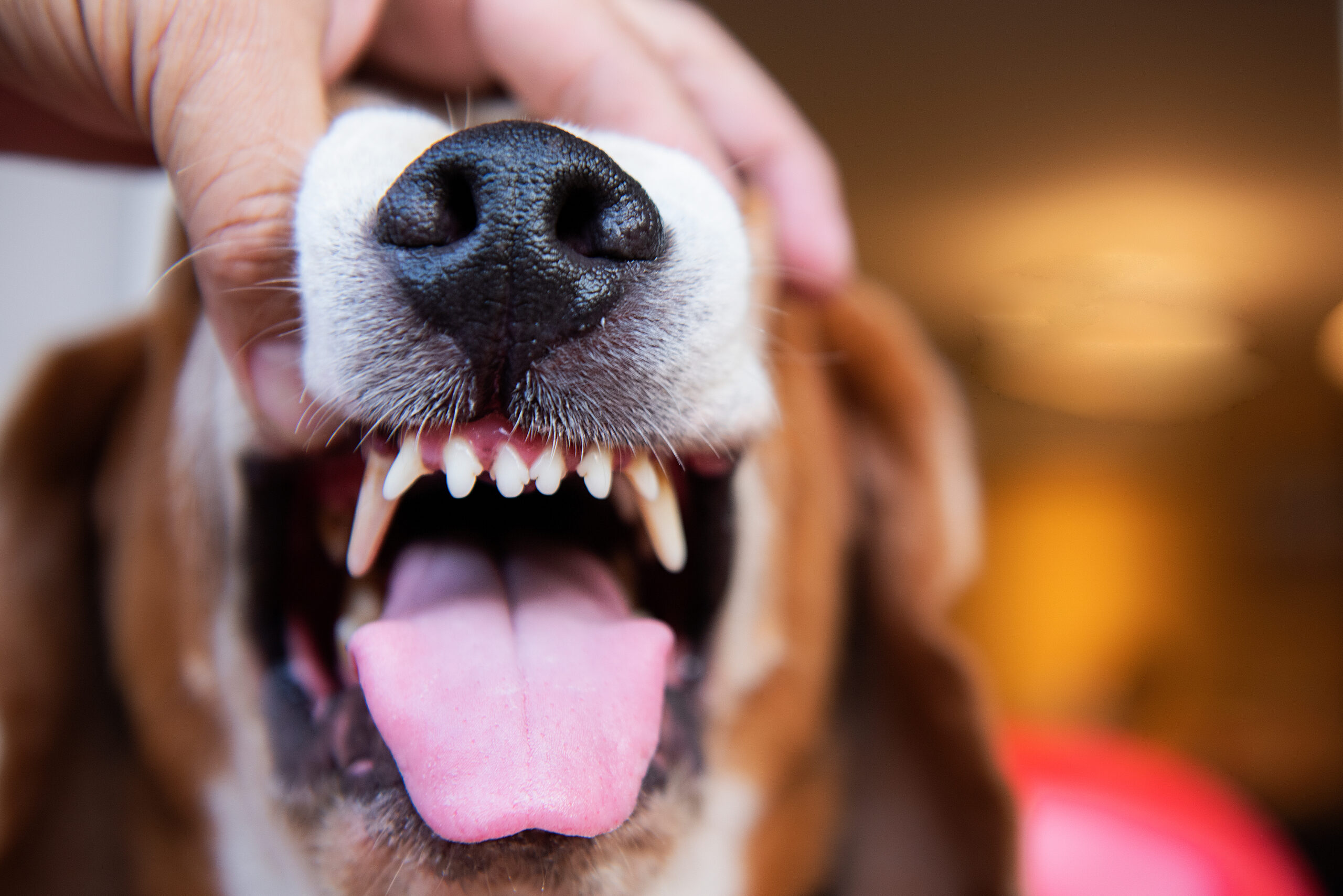
Dental disease in pets seldom shows up with a single, obvious symptom. Instead, it tends to develop gradually, and owners often notice a pattern of small changes before they piece together what’s really going on. Bad breath is one of the earliest warning signs, along with visible tartar buildup, red or bleeding gums, and a pet that suddenly seems hesitant to chew on one side of their mouth.
More advanced cases bring more serious symptoms. A tooth that is fractured, loose, or discolored usually points to an underlying problem that a cleaning alone can’t fix. Pets may also drop food while eating, paw at their face, or show reduced appetite because chewing has become painful. According to the American Veterinary Medical Association, periodontal disease affects nearly 80% of dogs and 70% of cats by age three, which means these symptoms are far more common than most pet owners realize.
It’s why we recommend scheduling a pet examination as soon as any of these signs appear, since dental problems tend to worsen quickly once the infection reaches below the gumline.
What Happens During a Dental Evaluation?
Before recommending an extraction, our team performs a thorough oral exam and takes dental radiographs to see what is happening beneath the surface. Most dental disease develops below the gumline, where it can’t be seen or assessed with a visual exam alone, so imaging plays a central role in deciding the right course of treatment.
We look closely at the health of the surrounding bone, the tooth roots, and the degree of attachment loss around each tooth. In many cases, a tooth that looks stable on the surface is actually loose or infected underneath, while a tooth that appears more damaged may still be salvageable with treatment. This evaluation helps us avoid removing teeth unnecessarily while still catching problems early enough to prevent further pain or infection.
When Extraction Becomes the Best Option
There are a few clear situations where extraction is the safest and most comfortable choice for a pet. These include:
- Advanced periodontal disease: Significant bone loss or infection around the tooth root that can’t be reversed with cleaning alone.
- Fractured teeth: Breaks that expose the sensitive inner pulp, creating an open pathway for infection and ongoing pain.
- Persistent baby teeth: Retained teeth in younger pets that crowd adult teeth and trap bacteria and debris.
- Resorptive lesions: Painful erosion of the tooth structure, common in cats, that often requires removal.
- Abscessed teeth: Infections that have spread to the root or jawbone and pose a risk to your pet’s overall health.
Once we close out an oral surgery consultation, we always help pet owners understand recovery expectations, pain management, and how to support healing at home so the transition is as smooth as possible.
How We Approach Oral Surgery With Care
Every extraction we perform is done under anesthesia, which allows us to work carefully and keeps pets calm and pain-free throughout the procedure. Our team uses a conservative approach whenever possible, prioritizing prevention and early intervention so that extractions remain a last resort rather than a routine recommendation.
For pets who need more involved procedures, our pet oral surgery services are supported by a board-certified surgical team and advanced equipment designed to keep every step of the process as safe and comfortable as possible. We also emphasize pet dental cleanings as an ongoing part of preventive care, helping catch small issues before they progress into something that requires surgery.
Grace Animal Hospital Is Here to Help Keep Your Pet’s Teeth Healthy
As a privately owned, family-oriented practice, we treat every pet who walks through our doors the way we would want our own animals treated, with patience, transparency, and a team that truly cares about the outcome. We are proud to offer walk-in availability and Saturday hours for families who need us on their timeline, not the other way around.
If you have noticed any warning signs in your pet’s mouth or simply want peace of mind, our team at Grace Animal Hospital is ready to help you find the right care path. Reach out through our contact form today, and let us help keep your pet’s mouth healthy for years to come.


