Keeping your pet current on vaccines is one of the most effective ways to protect their long-term health. If you have ever searched “what vaccines does my dog need in North Carolina,” the answer starts with a legal requirement and builds from there. North Carolina law (N.C. General Statute 130A-185) requires every owner of a dog, cat, or ferret over four months of age to have their animal vaccinated against rabies and to keep that vaccination current throughout the animal’s lifetime. There are no waivers or exemptions under state law. At Grace Animal Hospital, we help you stay on top of every vaccine your pet needs, from the ones required by law to the ones protecting against risks specific to life here in Holly Springs.
Our team takes a preventive-care approach to every patient. Whether you are bringing in a new puppy, a senior cat, or a pet whose records have lapsed, we will review what you have, explain what your pet may need, and build a schedule that makes sense for their age, lifestyle, and health history. We accept walk-ins and offer same-day appointments, so staying current does not have to be a hassle. You can learn more about our full range of veterinary services to see how vaccinations fit into a broader preventive care plan.
Yes. There are two categories of animal vaccinations: core and non-core vaccines. Core vaccines are those every pet should receive regardless of lifestyle or environment. Non-core vaccines may be the right choice depending on your pet’s daily routine, environment, and risk exposure. Here at Grace Animal Hospital, we make our recommendations based on your specific pet. If you have questions about what your pet may be due for, a wellness exam is always a good starting point.
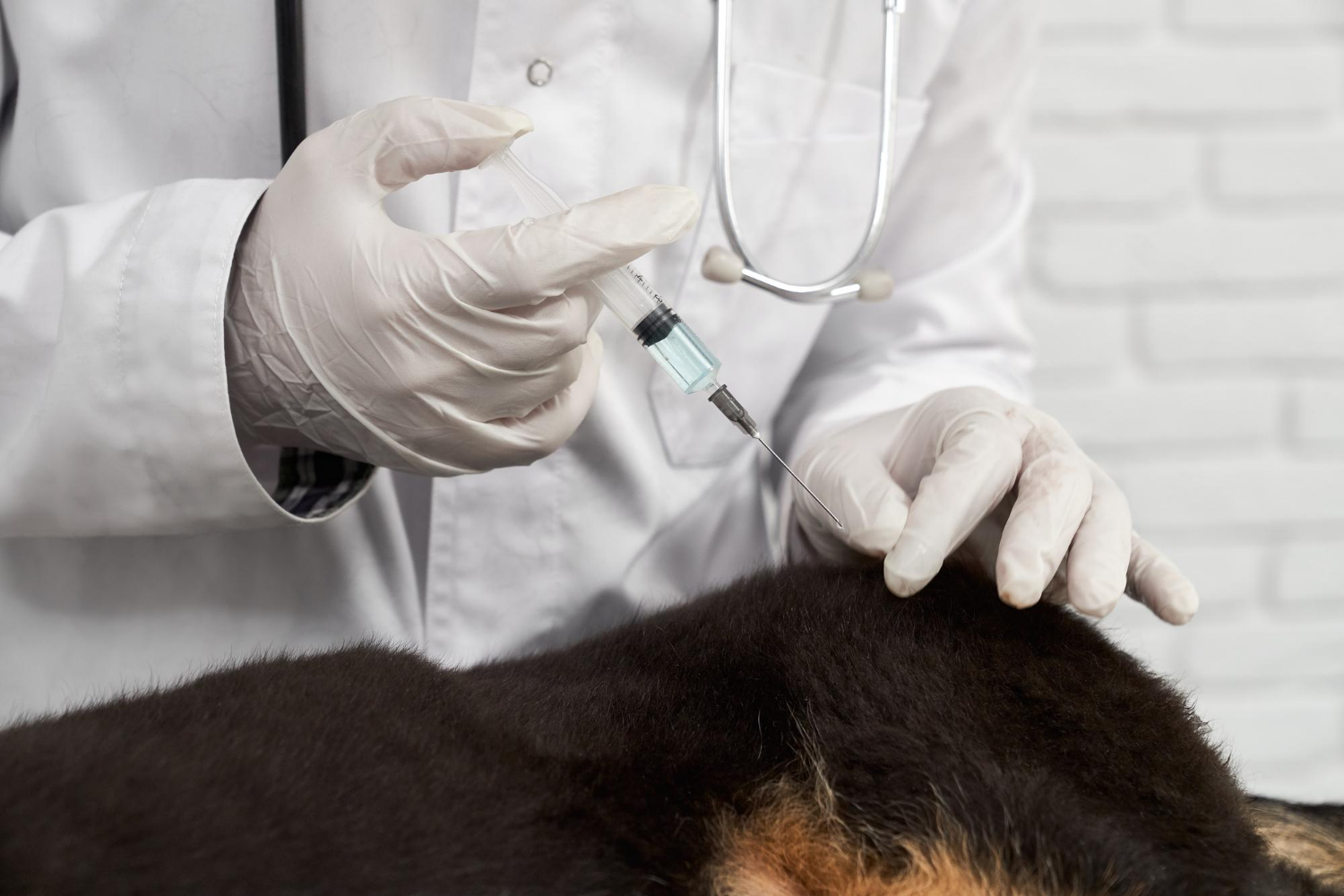
Core vaccines for dogs are recommended for every dog regardless of breed, age, or how much time they spend outdoors. These vaccines protect against diseases that carry serious health risks and spread easily between animals. The core vaccines for dogs include rabies (required by North Carolina law), canine distemper virus (CDV), canine parvovirus (CPV), and canine adenovirus (CAV). The DHPP combination vaccine covers distemper, hepatitis, parvovirus, and parainfluenza in a single shot. Depending on the vaccine used and your dog’s history, boosters may be needed annually or every three years. Our team tracks your dog’s schedule and sends reminders when boosters are due. You can also review NC DHHS rabies requirements for details on state law.
Non-core dog vaccines are not required for every dog, but they may be right for yours depending on their lifestyle and environment. If your dog visits dog parks, boarding facilities, or grooming salons, Bordetella bronchiseptica (kennel cough), which is worth considering for dogs who visit dog parks, boarding facilities, or grooming salons. Leptospirosis is also a relevant consideration for dogs with outdoor exposure in wooded or wet areas, given the prevalence of wildlife throughout Wake County. protection against Lyme disease is also worth discussing for dogs who spend time in grassy or wooded areas. Our veterinarians will go through your dog’s daily routine during their wellness exam and recommend the non-core vaccines that make sense for them.
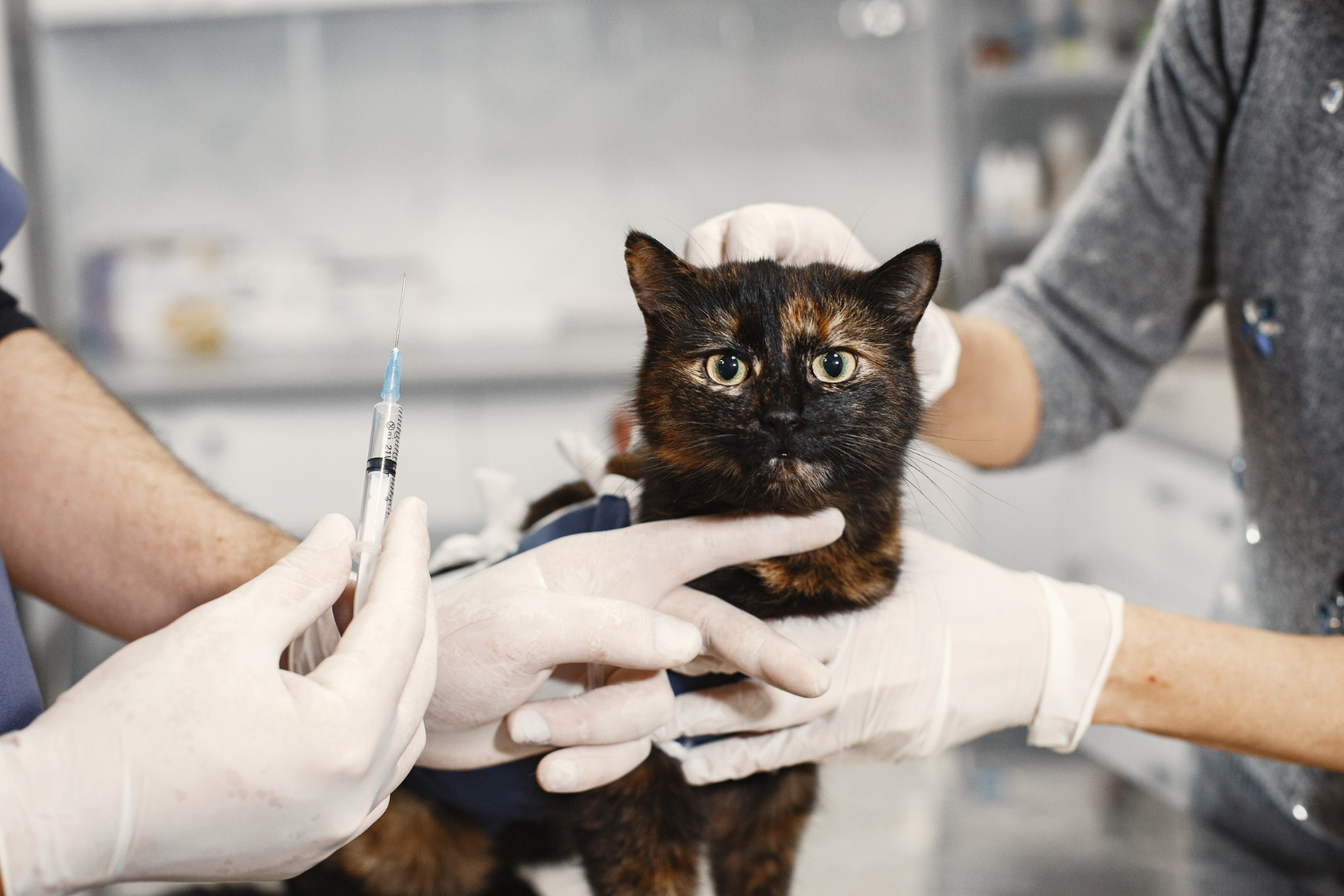
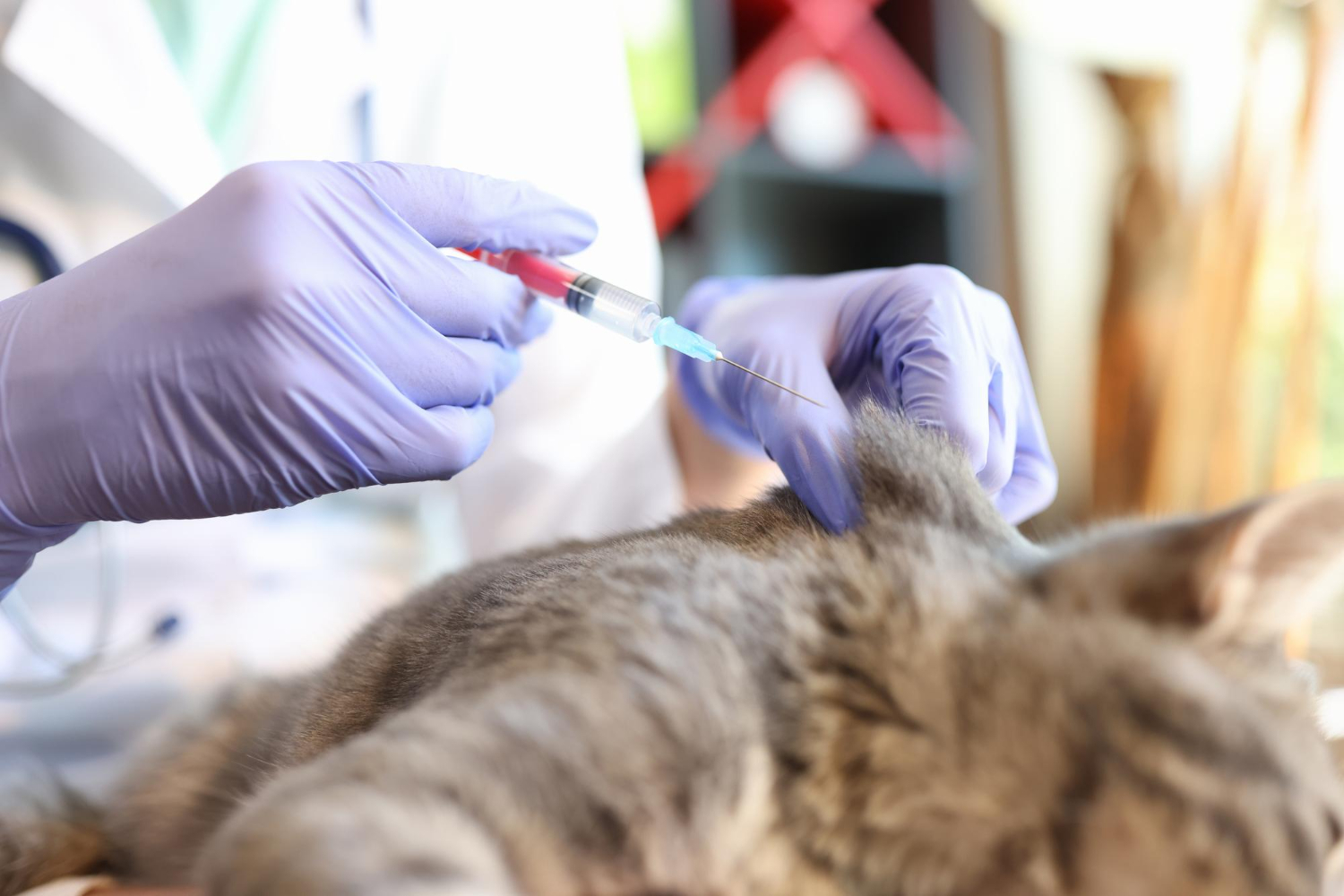
Grace Animal Hospital offers kitten and cat vaccines as well. Core feline vaccinations are recommended for all cats, whether they live entirely indoors or spend time outside. The core cat vaccines include rabies (required by North Carolina law for cats as well as dogs), feline calicivirus (FCV), feline herpesvirus-1 (FHV-1), and feline panleukopenia (FPL). The FVRCP combination vaccine covers the three non-rabies core feline diseases in a single shot. Most are recommended annually or every three years. Our team will send booster reminders so you always know when your cat is due.
Non-core feline vaccinations in Holly Springs are optional but may be appropriate depending on your cat’s age, lifestyle, and environment. Cats with outdoor access or those in multi-cat households may benefit from the feline leukemia virus (FeLV), which is particularly recommended for kittens and cats with outdoor exposure. Other non-core options include Bordetella bronchiseptica, feline immunodeficiency virus (FIV), and Chlamydophila felis, and your veterinarian will help you decide which are appropriate for your cat. Pet vaccines are most effective when started early and kept current. Schedule your visit at Grace Animal Hospital today, or ask about our in-house diagnostic lab services for a complete health check at your next appointment.