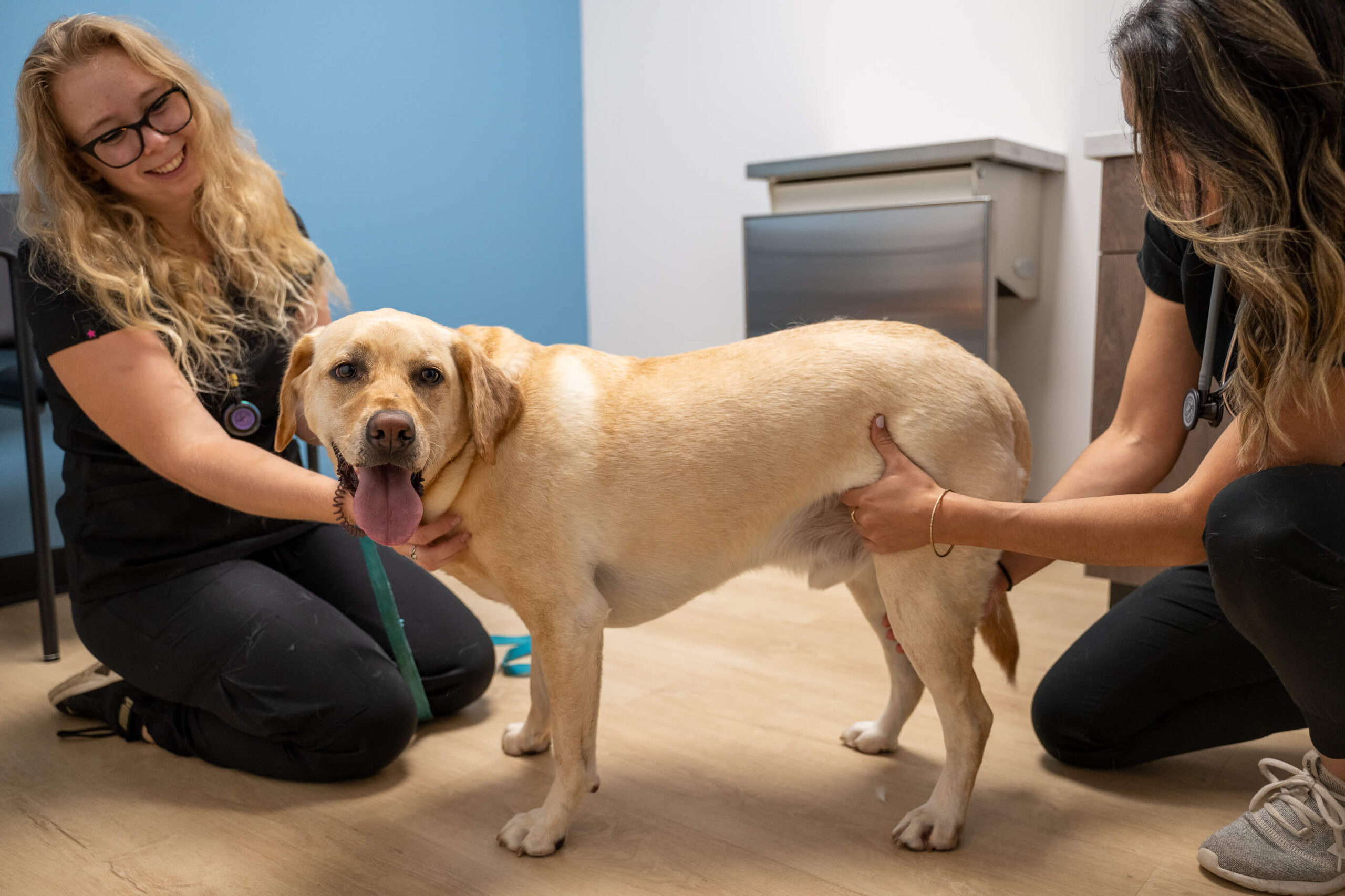
A dog that suddenly refuses to bear weight on a back leg, or one that’s been favoring a limb for weeks with no clear injury, is often dealing with a torn cranial cruciate ligament. This is one of the most common orthopedic injuries in dogs, and it seldom gets better without intervention. Left alone, the joint stays unstable every time your dog runs, jumps, or takes a hard turn, and that instability sets off a cycle of pain and wear that only gets worse with time.
At Grace Animal Hospital, we bring in a board-certified surgical team specifically for cases like this, so Holly Springs pet families do not have to travel far for advanced orthopedic care. We provide comprehensive veterinary orthopedic care for dogs and cats facing cruciate ligament tears, fractures, and other joint injuries, and our team walks owners through every step, from the first exam to the final follow-up.
The cranial cruciate ligament stabilizes the knee, or stifle, by keeping the tibia from sliding forward under the femur. When it tears, partially or completely, that stability disappears, and the joint becomes loose with every step. Most tears happen gradually as the ligament weakens over time, though a hard twist or an awkward landing can be the moment it finally gives way.
We typically diagnose the injury through a hands-on orthopedic exam paired with imaging of the joint to confirm the extent of the damage and rule out other causes of lameness.
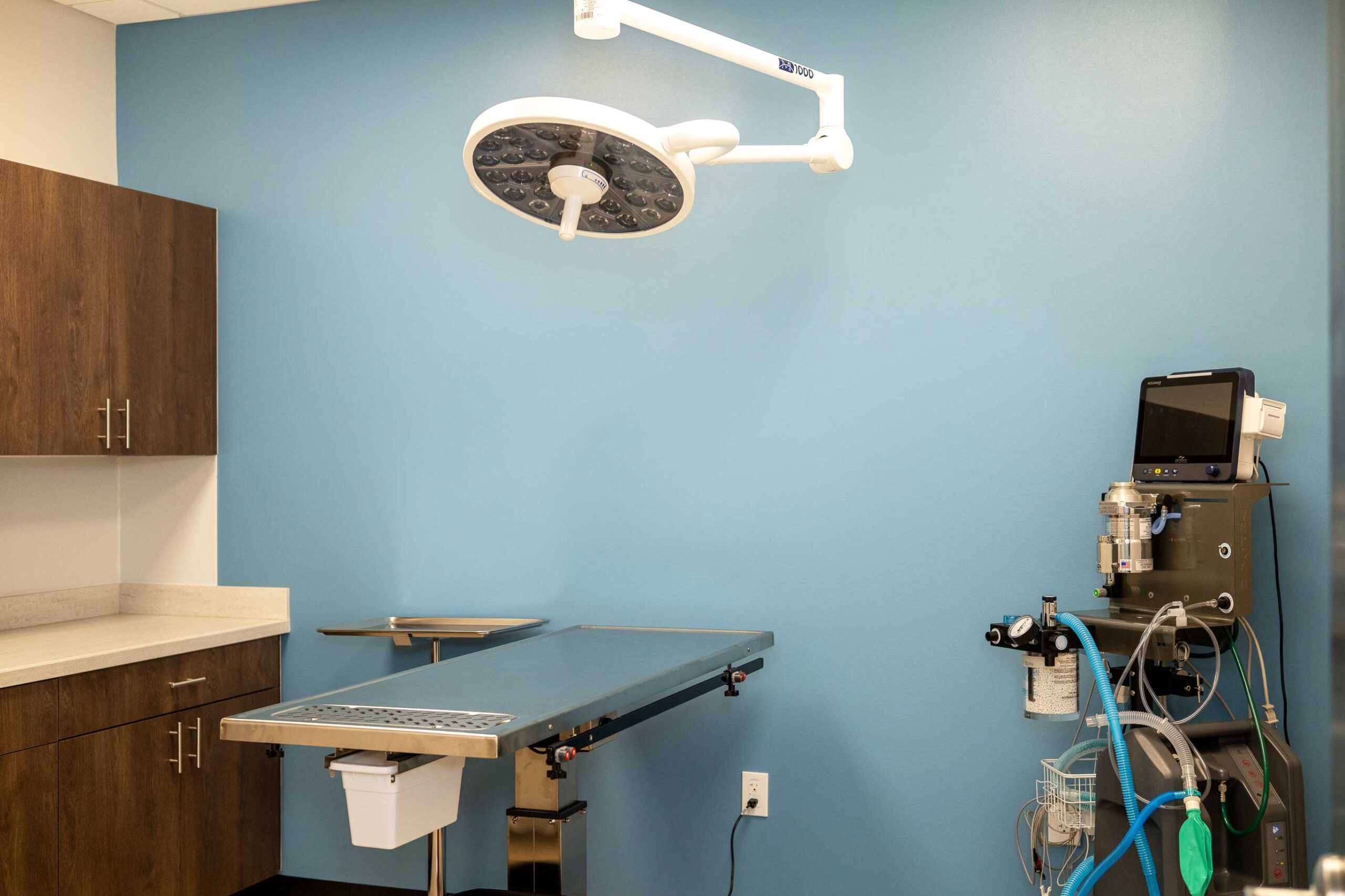
Tibial plateau leveling osteotomy, or TPLO, is widely considered the gold standard for cruciate ligament repair in dogs, particularly for medium and large breeds. Rather than replacing the torn ligament, TPLO changes the angle of the tibial plateau itself, so the joint no longer needs the ligament to stay stable during weight-bearing. This approach tends to produce a faster return to normal activity and better long-term joint function than older repair techniques.
Research on TPLO outcomes notes that tibial plateau leveling osteotomy remains the most commonly performed surgical procedure for cranial cruciate ligament rupture in dogs in the United States, and that while the surgery stabilizes the joint effectively, osteoarthritis in the knee can still progress afterward, even though stabilization slows that progression compared to leaving the joint untreated. That is part of why early diagnosis and surgical planning matter so much, since the sooner the joint is stabilized, the less a degenerative change has a chance to set in.

Cruciate injuries can happen to any dog, but certain breeds are seen with them more often than others because of their size, build, and activity level. Owners of these breeds should be especially alert to sudden limping or a dog that seems reluctant to jump into the car or onto furniture.
If your dog belongs to one of these breeds and starts favoring a back leg, it’s worth having this joint evaluated sooner rather than later.
An untreated cruciate tear does not get better on its own, and the joint instability that comes with it sets off a slow, steady progression of damage. Every step puts abnormal stress on the cartilage and surrounding tissue, which accelerates arthritis in the joint. Many dogs also develop a meniscus tear over time, since the shock-absorbing cartilage inside the knee is not built to handle a joint that shifts with every stride.
The longer surgery is delayed, the more established that arthritis becomes, and the less likely a dog is to return to full, comfortable mobility even after the joint is eventually stabilized.
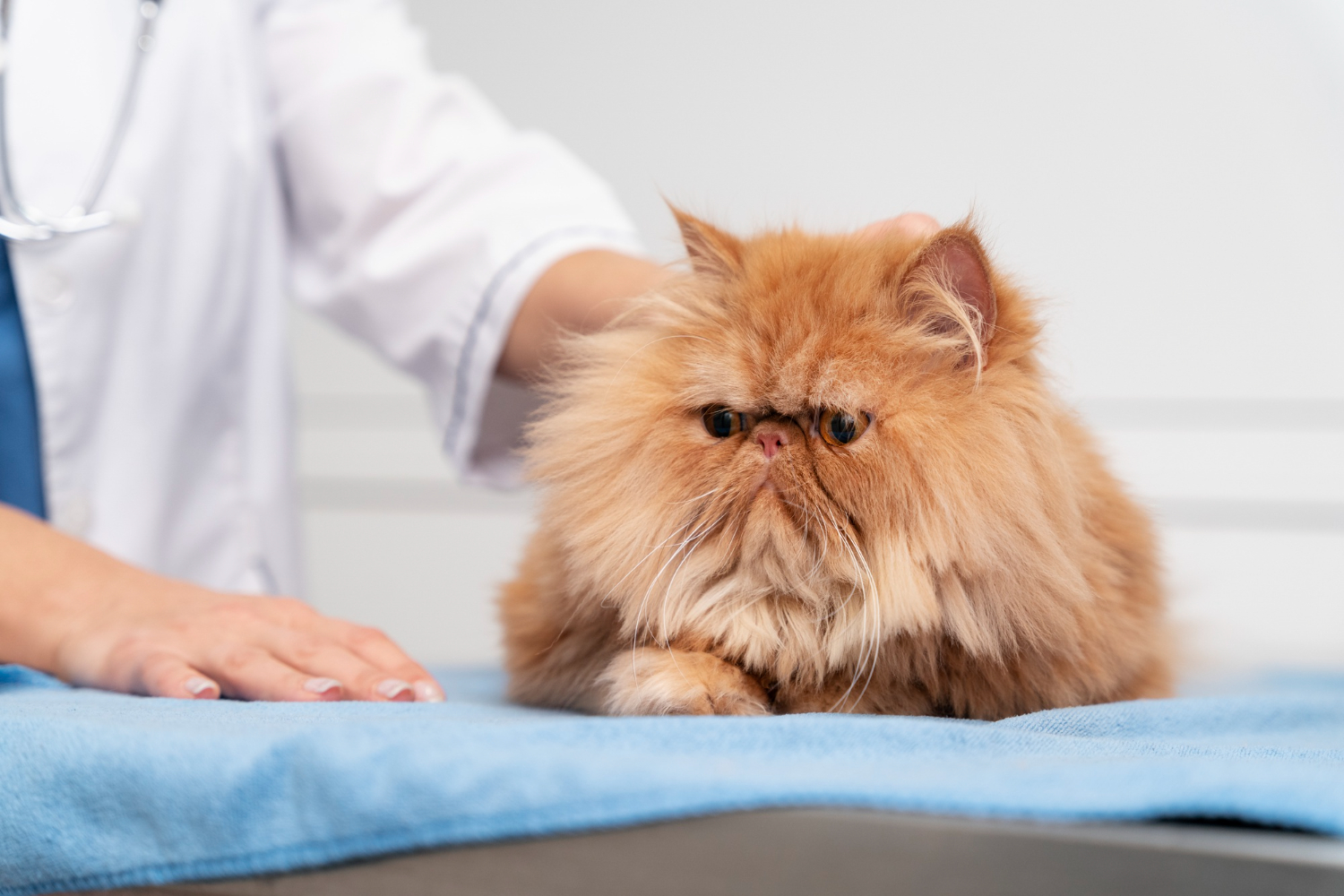
Some dogs, particularly small breeds under about 25 pounds, can occasionally manage a cruciate tear with strict rest, weight control, and long-term joint support instead of surgery. For medium and large breeds, though, conservative management rarely restores normal function, since their size places too much ongoing stress on an unstable joint. Without surgical stabilization, most of these dogs continue to experience pain, muscle loss in the affected leg, and progressive arthritis, even if the initial limping seems to ease for a while.
That is why we evaluate each case individually. A thorough exam and diagnostic workup help us determine whether a dog is a genuine candidate for conservative management or whether TPLO offers a substantially better long-term outcome.
Recovery from TPLO surgery typically takes four to six months from surgery to a full return to normal activity. The first several weeks involve strict activity restriction, short leash walks only, and a controlled home environment to protect the healing bone. As the osteotomy heals, we schedule follow-up visits and radiographs to confirm the bone is fusing properly before gradually increasing activity.
Owners play a big role during this window, since keeping a recovering dog calm and confined is often the hardest part of the process. We guide each family through a structured recovery timeline so they know exactly what their dog can and can’t do at every stage of healing.
Our team understands how stressful it is to watch a dog struggle to walk, and we built our orthopedic program so Holly Springs families do not have to choose between advanced surgical care and the personal, family-oriented experience they expect from us. From diagnosis through the final follow-up exam, our goal is a dog that returns to running, playing, and living without pain.
If your dog is limping, favoring a leg, or has already been diagnosed with a cruciate tear, contact our office to schedule an orthopedic evaluation and find out whether TPLO surgery is the right option to help your pet.