Learning that your pet needs surgery can bring up a flood of questions. Most pet owners want to know exactly what happens at a pre-surgery vet appointment before the day arrives. Between the medical terminology, the fasting rules, and the worry of watching a beloved companion go under anesthesia, it’s easy to feel unprepared even when your veterinary team has everything under control. Many pet parents also worry about cost, timing around work schedules, and whether their pet will remember the experience as frightening, and all of those concerns are worth bringing up before surgery day.
At Grace Animal Hospital, our pre-surgery consultations are built to remove that uncertainty before it ever becomes a source of stress. We walk every pet parent through the process step by step, answer every question, and make sure you and your pet feel ready and supported long before surgery day, whether the procedure is a routine spay or something more involved.
A pre-surgery consultation is where our team confirms your pet is a safe candidate for anesthesia and surgery, and it typically covers three core pieces. First, we perform a full physical exam, checking heart and lung sounds, body condition, hydration, gum color, and any breed-specific concerns that could affect anesthesia, such as the airway sensitivity seen in brachycephalic breeds like bulldogs and pugs. We also review your pet’s full medical history during this exam, including past reactions to medication, existing conditions, and any symptoms you have noticed at home, since small details often shape how we plan the day of surgery.
Next, we run pre-anesthesia blood work to evaluate organ function, red and white blood cell counts, and clotting ability, since these values help us catch hidden issues that a physical exam alone can’t reveal. This step is especially important for senior pets, pets with a history of illness, and any pet undergoing a more complex procedure, such as orthopedic surgery, where anesthesia time tends to run longer.
Finally, we complete a risk assessment that weighs your pet’s age, breed, weight, and overall health against the specific procedure planned. Current anesthesia safety practices, including the 2020 AAHA Anesthesia and Monitoring Guidelines for Dogs and Cats, which emphasize that using guidelines, checklists, and training can decrease the risk of anesthesia-related complications, guide how our team monitors your pet from the moment they arrive until they are back home. We use this same continuum of care approach with every patient, regardless of how minor or involved the procedure may be.

Most pets need to fast for roughly 8 to 12 hours before anesthesia, since food in the stomach increases the risk of vomiting or aspiration once your pet is sedated. Water is usually fine right up until you leave for the appointment, since dehydration carries its own risks under anesthesia, but every pet’s situation is a little different. Puppies, kittens, diabetic pets, and pets on daily medication often need adjusted fasting windows to avoid complications like low blood sugar, and pets with certain gastrointestinal conditions may need an entirely different plan.
Since these exceptions are common, we always confirm exact fasting instructions with our veterinary team during your consultation, so please call before assuming a general rule applies to your pet. Giving treats, table scraps, or even a small breakfast on surgery morning can delay or complicate the procedure, so we would rather you ask twice than guess once.
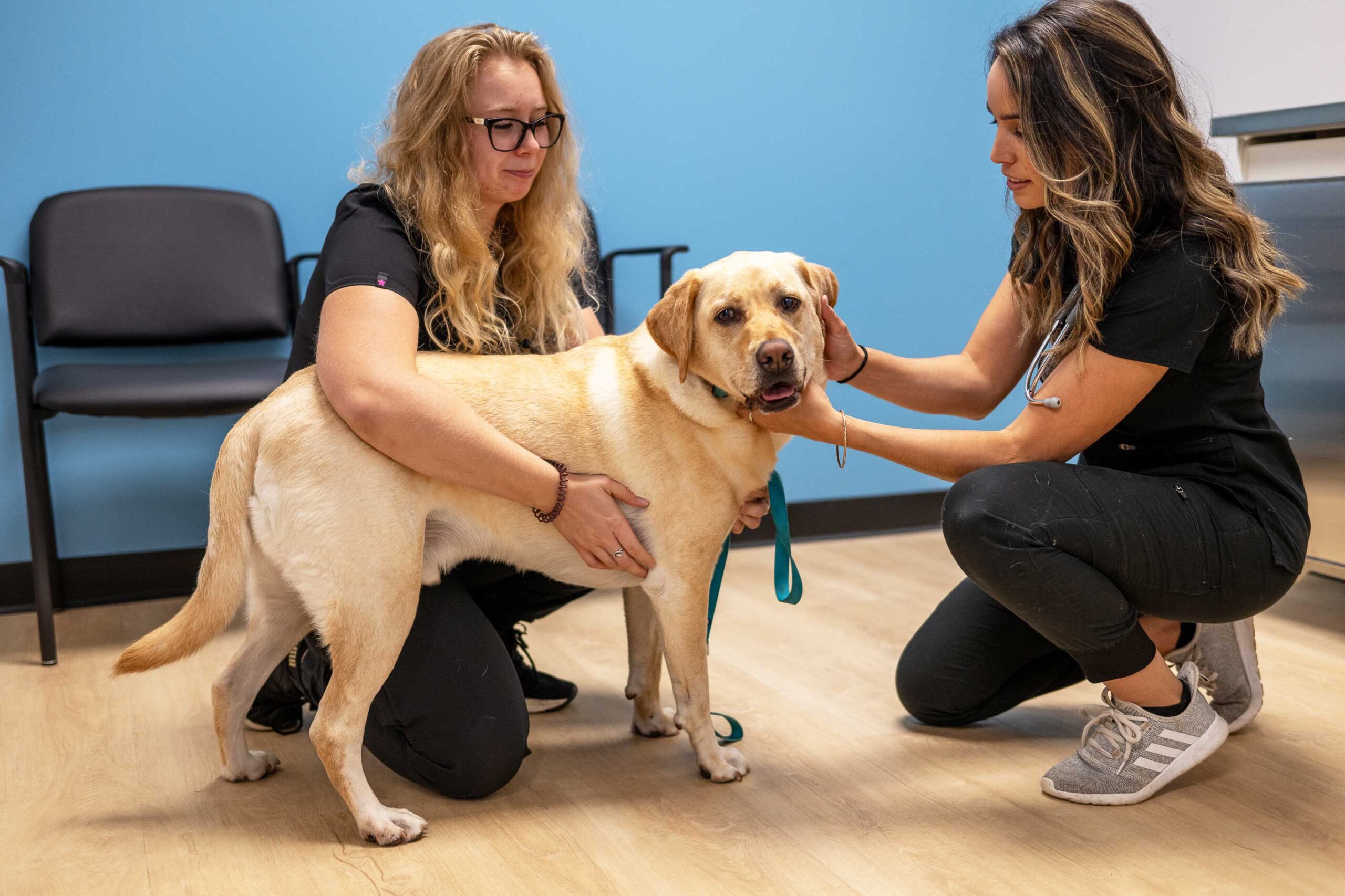
Coming prepared with questions helps you feel more confident heading into surgery day, and our team welcomes every one of them, no matter how small they may seem. A few worth asking during your consultation include the following:
Our surgical team would rather answer five extra questions before surgery than have you worry alone afterward, so there is no such thing as asking too much. We also encourage you to ask about the specific anesthesia protocol planned for your pet and how your pet will be monitored throughout the procedure, since understanding these details tends to ease a lot of pre-surgery anxiety.
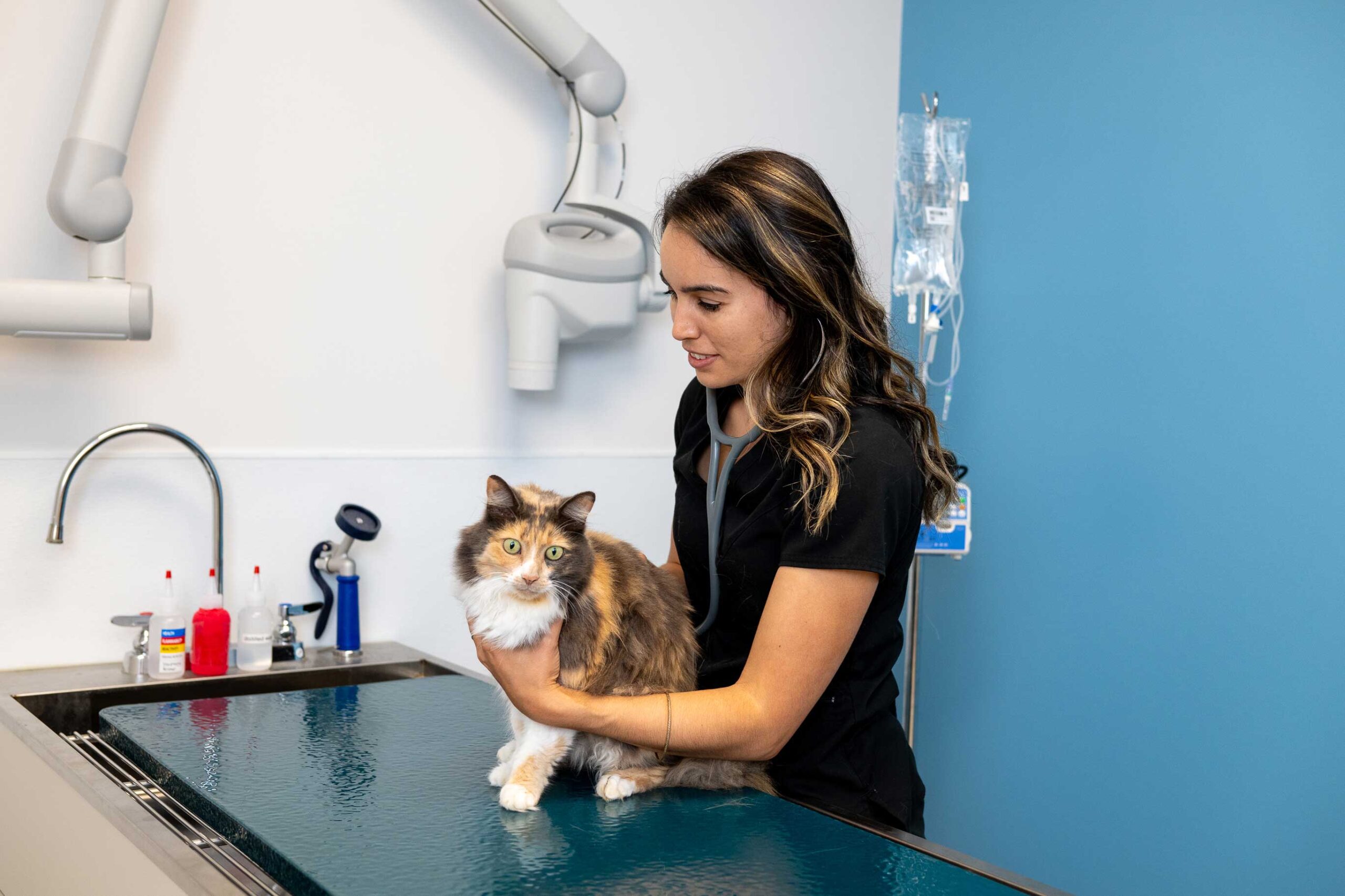
It is completely normal to feel nervous before your pet’s surgery, even for routine procedures, and that feeling does not mean you are overreacting. Our team practices low-stress, gentle handling from the moment your pet walks through the door. Many pet owners find it helpful to bring a favorite blanket or toy from home, since familiar scents can help a pet settle more comfortably before and after their procedure.
You know your pet best, and we treat every piece of history you share, from past reactions to medication to subtle behavior changes, as valuable information that influences how we care for them that day. If you are feeling anxious the morning of surgery, please reach out to our team with any questions.
Grace Animal Hospital has proudly served Holly Springs pet families since 2024, and our team includes board-certified surgical support and in-house diagnostics. We built this practice around the experience of walking through our doors, from a calm, unhurried consultation to a recovery plan that leaves nothing to guesswork, because your pet deserves care that feels personal rather than routine.
If your pet has an upcoming surgery and you want a thorough pre-surgery consultation, our team is ready to walk you through every step, answer every question, and help you feel confident before surgery day arrives. You can schedule your consultation with Grace Animal Hospital today, and we will make sure you and your pet are fully prepared from your first conversation with us to the moment you bring them home.