
Few conditions in veterinary medicine turn deadly as quickly as gastric dilatation-volvulus, commonly known as bloat. What starts as a swollen, uncomfortable stomach can progress to a fatal emergency within hours, as the stomach fills with gas and twists on itself, cutting off blood flow to vital organs and sending the body into shock. For owners of large and giant breed dogs, understanding this risk, and the surgery that prevents it, can be the difference between a scary “what if” and a life saved.
At Grace Animal Hospital in Holly Springs, we see firsthand how frightening a GDV emergency is for a pet family, which is exactly why we talk about prevention long before it becomes a crisis. As a privately owned, family-oriented practice with in-house diagnostics and a low-stress approach to every visit, we want our clients to feel informed and prepared, not caught off guard, when it comes to protecting the dogs they love most. Since our team performs procedures in-house rather than referring surgical cases elsewhere, we’re able to help you with prevention, diagnosis, and treatment all in one place, starting with our internal surgery services.
GDV occurs when a dog’s stomach fills with gas, fluid, or food and then rotates on its axis, trapping the contents inside and cutting off circulation to the stomach and spleen. As the stomach expands, it presses on major blood vessels and the diaphragm, which can quickly lead to difficulty breathing, a dangerous drop in blood pressure, and damage to the stomach wall itself.
According to research published by the National Institutes of Health, dogs who experience an untreated GDV episode face a recurrence rate of up to 80%, while those who receive corrective gastropexy surgery see that rate drop to under 5%. Warning signs to watch for include a visibly swollen or tight abdomen, unproductive retching, restlessness, drooling, and a rapid heart rate; any combination of these symptoms warrants an immediate call to us or an emergency clinic, since GDV can be fatal within hours if it isn’t caught in time.

Gastropexy is a surgical procedure in which we tack a portion of the stomach wall to the abdominal wall, preventing it from twisting even if bloating occurs again in the future. It doesn’t stop the stomach from filling with gas, but it does stop the life-threatening rotation that makes GDV so dangerous, which means a dog who bloats after gastropexy typically experiences discomfort rather than a surgical emergency. We perform gastropexy as part of our broader soft tissue surgery offerings, using in-house diagnostics and close anesthesia monitoring throughout the procedure to keep every patient safe from start to finish.
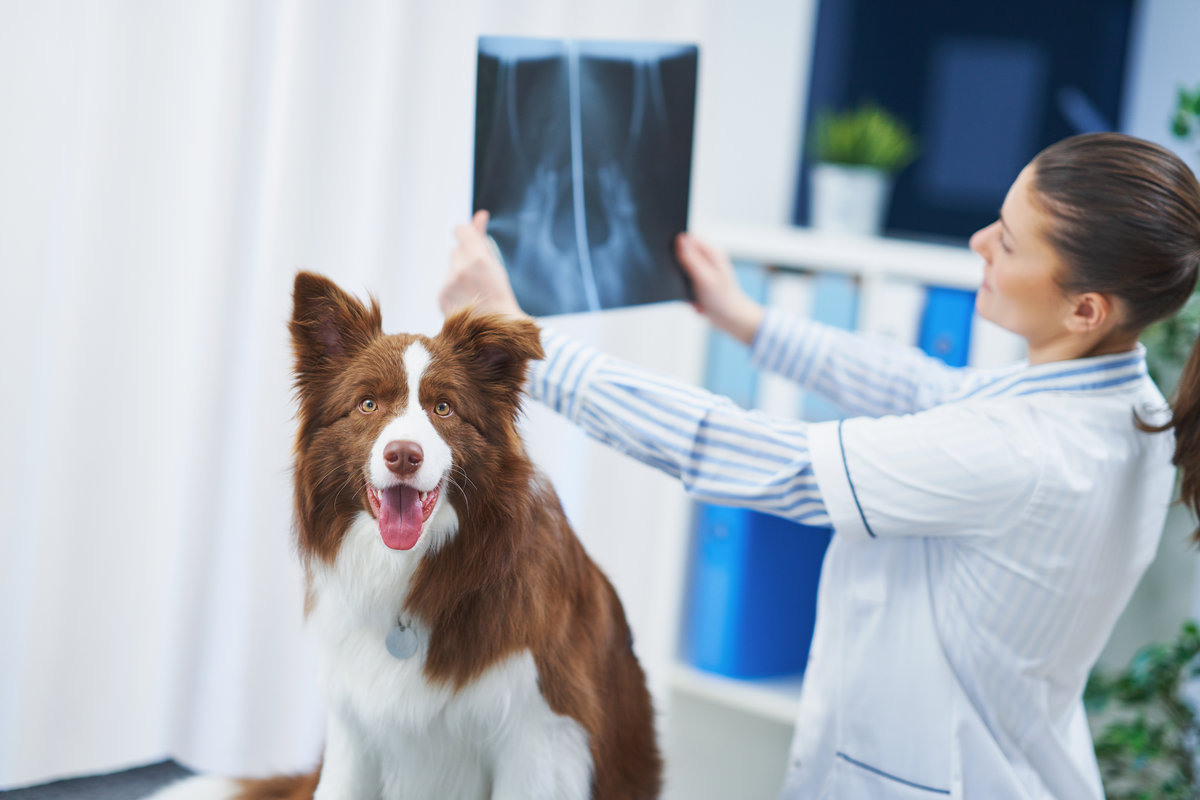
Certain breeds are far more prone to GDV due to their deep, narrow chest conformation, which allows the stomach more room to shift and rotate than it would in a broader-chested dog. Age, a nervous or anxious temperament, eating quickly, and having a close relative who has experienced GDV can all raise the risk further.
Before a dog reaches middle age, it’s worth having a conversation with us about whether prophylactic gastropexy makes sense, especially for breeds including:
If your dog falls into one of these higher-risk categories, we’re happy to discuss their individual risk factors, including weight, age, and family history, during a wellness visit.
This is one of the most common questions we hear from owners of at-risk breeds, and for good reason, since prevention is far less stressful and far less costly than emergency GDV surgery. Prophylactic gastropexy, done proactively, is a smart option for many at-risk dogs, and it’s often most convenient when performed at the same time as spay or neuter surgery, since your dog is already under anesthesia for another procedure. This strategy spares your dog a second anesthetic event down the road, keeps recovery time to a single window, and gives you peace of mind that a future GDV episode won’t turn into a life-threatening rotation.

We start with a thorough pre-surgical consultation and, when appropriate, bloodwork and imaging through our in-house diagnostic lab to make sure your dog is a good surgical candidate. During the procedure itself, our team monitors anesthesia closely and adjusts our surgical approach to suit your dog’s size, breed, and overall risk profile.
Afterward, we walk you through recovery expectations, activity restrictions for the following weeks, and the specific warning signs that would warrant a call to our team, so you always know what’s normal and what isn’t.
Bloat prevention is one of those rare cases in veterinary medicine where a single, proactive surgery can eliminate a future life-threatening emergency almost entirely. Our team is here to help you weigh the timing, risks, and benefits for your specific dog in a relaxed, unhurried conversation.
If you have a Great Dane, German Shepherd, Standard Poodle, Doberman, or another deep-chested breed, we encourage you to book a visit with us to discuss whether gastropexy is the right choice for your pet.


