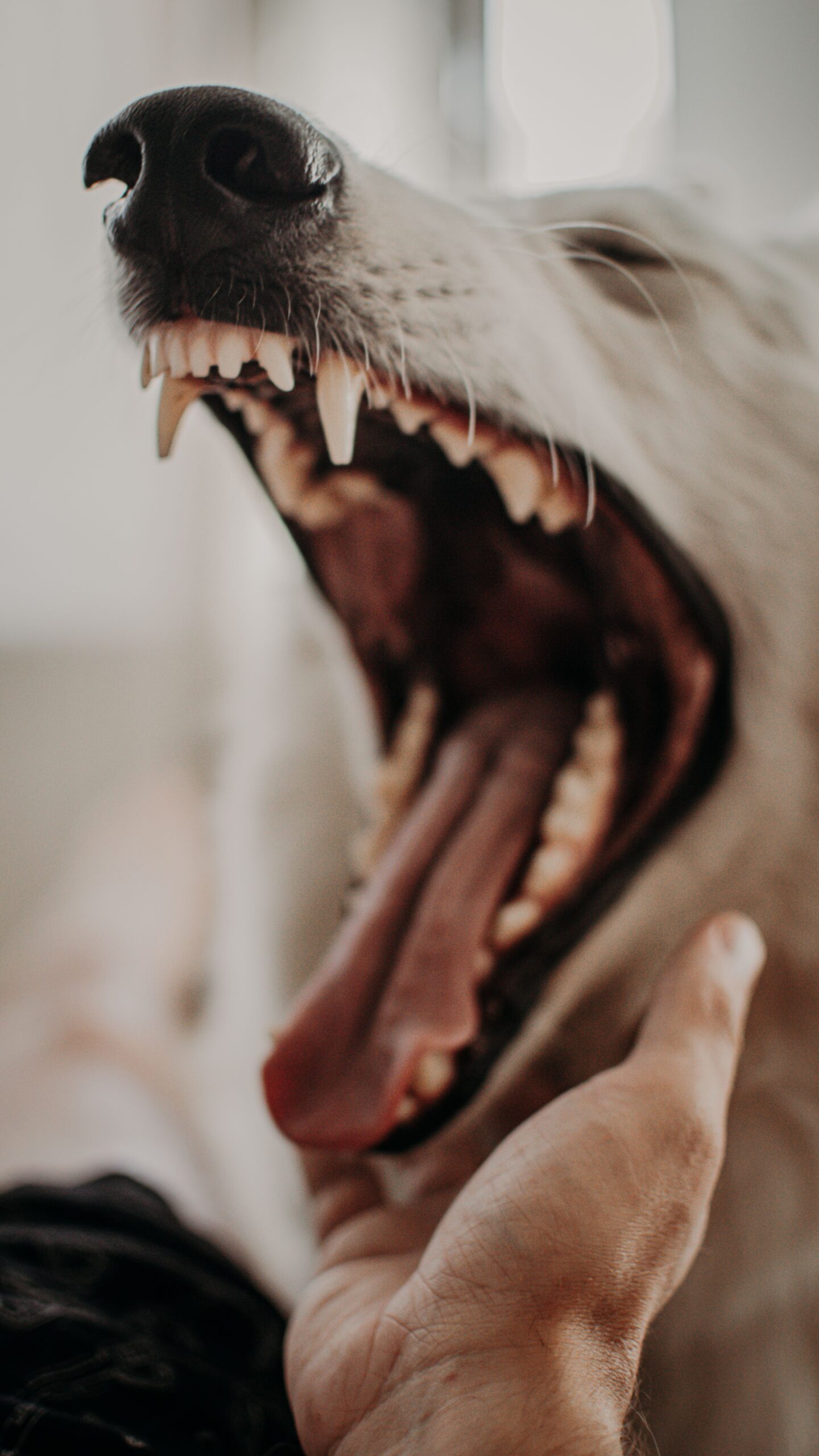
Your dog or cat probably can’t tell you their mouth hurts, but that doesn’t mean it isn’t happening. Dental disease is one of the most common health conditions affecting pets, and the signs are often invisible until the problem has progressed significantly. Bacteria, plaque, and tartar accumulate quietly beneath the surface, putting your pet at risk for pain, tooth loss, and even organ damage if bacteria enter the bloodstream. Understanding how to prevent dental disease before it starts is one of the most powerful things you can do for your pet’s long-term health.
At Grace Animal Hospital in Holly Springs, NC, we take a preventive-care approach to pet health, and that includes dental wellness. Our caring team believes every pet deserves a clean, pain-free mouth, and we work with families to build sustainable dental care habits both at home and in the clinic. Whether your pet is young and healthy or already showing early signs of dental trouble, we are here to help you stay ahead of it. Our pet dental cleanings are a cornerstone of that commitment.
Dental disease in pets does not just affect the mouth. When left untreated, the chronic bacterial load in an infected mouth can travel through the bloodstream and affect the heart, kidneys, and liver. This is why prevention is about far more than fresh breath. By the time periodontal disease is visible to the naked eye, significant damage has often already occurred beneath the gumline.
According to the American Veterinary Dental College, research has shown that radiographs of teeth without visible clinical lesions yielded incidental or clinically important findings in over 40% of dogs, and a similar study found that 42% of cats with clinically normal mouths had undetected pathology found only with radiography. In other words, what looks like a healthy mouth may not be one.

Without regular professional cleanings, plaque hardens into tartar and gradually pushes beneath the gumline. This triggers an inflammatory response in the gum tissue, which is the beginning of periodontal disease. As the disease advances, the structures supporting your pet’s teeth begin to break down, teeth loosen, and infection can set in. In severe cases, the tooth becomes non-salvageable, and pet tooth extractions become necessary.
One of the most important tools in dental disease prevention is dental radiography. Because more than half of each tooth sits below the gumline, a visual examination alone simply cannot tell the full story. Our dental radiography allows us to see bone loss, root damage, abscesses, and resorptive lesions that would otherwise go undetected.
Think of dental X-rays the way you think of bloodwork: the surface only tells you so much. The real picture comes from looking deeper. Catching a hidden problem early means we can address it conservatively, rather than waiting until the damage is severe enough to require more involved treatment.

Daily brushing is the gold standard for at-home dental care. Start slowly, using a pet-safe toothpaste (never human toothpaste, which contains xylitol) and a soft-bristled toothbrush or finger brush. Focus on the outer surfaces of the teeth, where plaque accumulates most quickly. Consistency matters more than perfection here. Even a 30-second brush each day makes a meaningful difference over time.
Additional at-home care options include the following:
All three of these tools support a healthy mouth, but none of them replace professional cleanings. Your veterinary team can walk you through the right combination during a pet wellness exam at our clinic.

At Grace Animal Hospital, our team is committed to building lasting relationships with pet families in Holly Springs. Dr. Tiana Montell and Dr. Wells bring genuine compassion and clinical depth to every appointment, with a focus on fear-free handling and conservative, preventive-first care. We are open seven days a week, accept walk-ins, and offer same-day appointments to make it easy to stay on top of your pet’s dental health.
Your pet’s mouth is worth paying attention to, even when everything seems fine on the surface. Preventive dental care is one of the most meaningful investments you can make in your pet’s quality of life. Contact us today to book an appointment.