Ear infections are one of the most common reasons dogs visit the vet, and they can quickly become painful if left untreated. At Grace Animal Hospital in Holly Springs, we frequently help dogs experiencing ear discomfort, head shaking, and irritation. Knowing what to look for can help you get your pet relief faster.
Signs Your Dog May Have an Ear Infection
Ear infections (also called otitis) often start with subtle symptoms but can escalate quickly. Common signs include:
- Redness inside the ear
- Swelling or inflammation
- Odor coming from the ear
- Head shaking
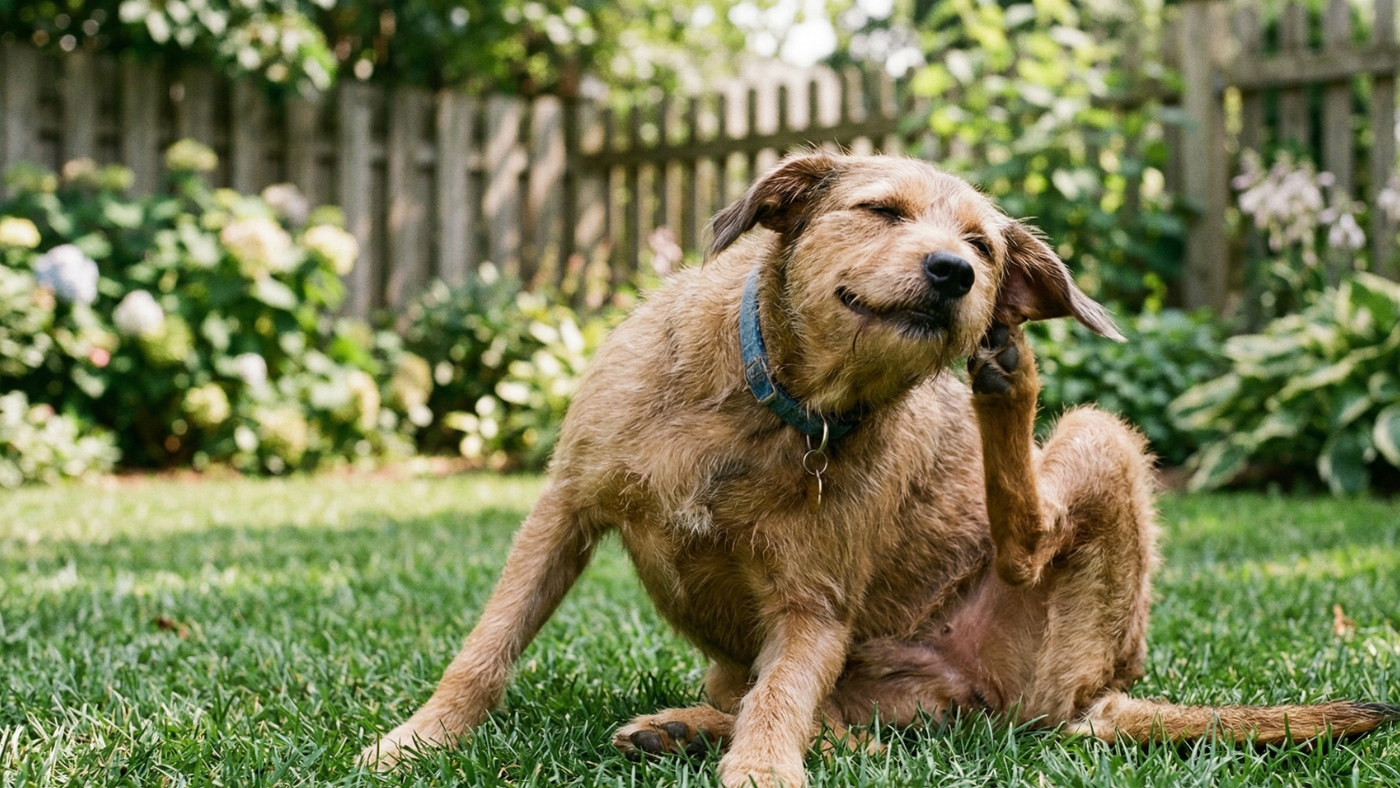
- Scratching at ears
- Sensitivity or pain when touched
Dogs with ear infections may even resist petting around the head due to discomfort.
If you notice any of these symptoms, it’s best to schedule an exam with a veterinarian before the infection worsens.
Types of Ear Infections in Dogs
There are three main types of ear infections, depending on where the inflammation occurs:
Otitis Externa
This affects the outer ear and ear canal. Because dogs have an L-shaped ear canal, debris and moisture can become trapped, making infections more likely.
Otitis Media
This involves the middle ear and can impact balance. Pus and debris can get trapped behind the eardrum.
Otitis Interna
This affects the inner ear, which controls hearing and balance.
What Causes Ear Infections in Dogs?
Several factors can increase your dog’s risk:
Allergies
Allergies are one of the most common causes. Because the ear canal is lined with skin, inflammation from allergies, including flea allergies and other skin sensitivities, often leads to infection.
Ear Shape
Dogs with floppy ears or narrow ear canals trap moisture and debris more easily.
Bacteria and Yeast
Normal bacteria and yeast live in dog ears, but inflammation allows them to multiply and cause infection.
Foreign Objects
Grass seeds, debris, or dirt can become lodged in the ear.
Injury or Chronic Infections
Repeated infections can cause long-term damage to the ear canal.
How Veterinarians Diagnose Ear Infections
At Grace Animal Hospital, diagnosing an ear infection includes:
- Reviewing your dog’s medical history
- Examining the ear with an otoscope
- Performing ear cytology (microscope exam)
- Identifying bacteria or yeast
This testing is important because no single medication treats all ear infections, and treatment must match the cause.
Treatment for Dog Ear Infections
Treatment may include:
- Ear cleaning
- Antibiotics
- Antifungal medication
- Anti-inflammatory medication
- Pain relief
Follow-up visits are extremely important. Stopping treatment too early can cause the infection to return or worsen.
When Ear Infections Become Chronic
Repeated ear infections can cause:
- Permanent ear canal damage
- Bone infection
- Hearing loss
- Need for surgery
In severe cases, deep ear flushing or advanced imaging may be required.
When to Visit Grace Animal Hospital
You should schedule an appointment if your dog:
- Is shaking their head frequently
- Has red or smelly ears
- Scratches their ears often
- Seems painful when touched
- Has recurring ear issues
Early treatment helps prevent chronic infections and keeps your dog comfortable. Annual wellness exams are a great opportunity to catch ear problems before they escalate.
Trusted Dog Ear Infection Care in Holly Springs, NC
At Grace Animal Hospital, we provide:
- Comprehensive ear exams
- Ear cytology testing
- Allergy evaluation
- Chronic ear infection management
- Gentle ear cleaning
- Follow-up care
If your dog is showing signs of an ear infection, our team is here to help. Staying current on preventive care is one of the best ways to support your dog’s long-term health.
Frequently Asked Questions About Dog Ear Infections
How do I know if my dog has an ear infection?
Common signs include redness or swelling inside the ear, an unusual odor, frequent head shaking, scratching at the ears, and sensitivity when touched around the head. Some dogs may tilt their head or seem off-balance if the middle or inner ear is affected. If you notice any of these signs, a veterinary exam is the best next step to confirm the diagnosis and start the right treatment.
Can a dog ear infection go away on its own?
Most dog ear infections will not resolve without treatment. Without proper care, infections tend to worsen, spread deeper into the ear, and cause lasting damage to the ear canal or eardrum. Waiting too long also increases the risk of the infection becoming chronic and harder to treat. Early veterinary attention leads to faster recovery and better outcomes for your dog.
What causes recurring ear infections in dogs?
Recurring ear infections are usually a sign of an underlying condition that has not been fully addressed. Allergies are the most common cause, as ongoing inflammation in the ear canal creates conditions where bacteria or yeast can thrive. Dogs with floppy ears, narrow ear canals, or a history of swimming are also more susceptible. Identifying and managing the root cause is essential for preventing chronic infections from returning.
How long does it take for a dog ear infection to clear up with treatment?
With appropriate treatment, many mild to moderate ear infections begin to improve within one to two weeks. Completing the full course of medication is critical, even if your dog seems better sooner. Stopping treatment early is one of the most common reasons infections return or become resistant to medication. Your veterinarian will typically recommend a follow-up visit to confirm the infection has fully resolved before discontinuing treatment.
When is a dog ear infection considered an emergency?
Seek urgent veterinary care if your dog shows sudden loss of balance, stumbling, rapid eye movement, or signs of severe pain around the ear. These can indicate that the infection has spread to the middle or inner ear and requires prompt treatment. Discharge that is bloody or pus-like combined with lethargy or loss of appetite also warrants an immediate appointment rather than waiting for a routine visit.