
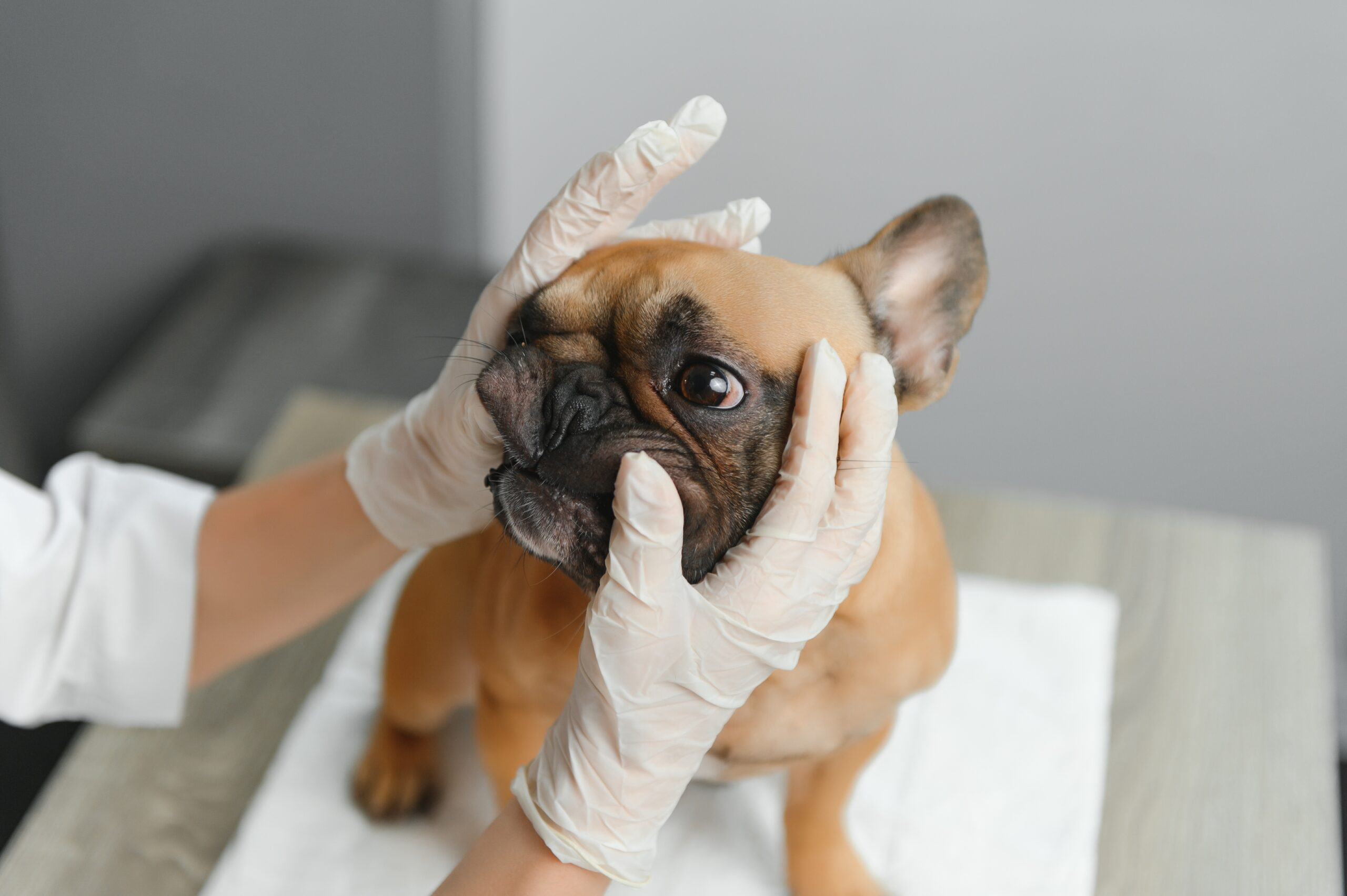
 Your dog has been sluggish for two weeks, and the vomiting started three days ago. Bloodwork comes back with a few numbers out of range, but not the kind of out of range that points to one clear answer. The physical exam is normal. Everything looks fine from the outside, which is precisely the problem: whatever is wrong is happening somewhere your veterinarian cannot see or feel.
This is the point where imaging becomes the deciding factor, and where the choice between tools matters. At Grace Animal Hospital, ultrasound imaging can look at soft tissue, organ texture, and blood flow in ways a still image cannot capture. Understanding what each tool is built to find helps explain why your veterinarian might recommend one, the other, or both before landing on a diagnosis.
What an X-Ray Is Built to Show
An X-ray, or radiograph, works by passing a small amount of radiation through your pet’s body and recording how much of it is absorbed along the way. Dense material like bone absorbs more, so it shows up bright and sharp on the resulting image. This makes X-rays the fastest way to confirm a fracture, spot a swallowed object made of metal or hard plastic, or measure the size and shape of the heart and lungs.
The tradeoff is that an X-ray produces a single flat picture at one moment in time. Organs like the liver, spleen, and kidneys often appear as vague gray shapes layered on top of each other, without much detail about what is happening inside them. Fluid and soft tissue look similar on a radiograph, so a mass, a pocket of fluid, and a healthy organ can sometimes blend together in ways that are hard to tell apart.
Where Ultrasound Picks Up the Difference
Ultrasound uses sound waves instead of radiation, sending them through the body and reading how they bounce back off different tissues. Because the waves respond differently to fluid, solid tissue, and the walls of an organ, an ultrasound builds a live, moving picture of what is happening inside. That real-time view is the biggest difference from an X-ray, and it is what allows our ultrasound specialist to watch blood flow, digestion, and organ movement as they happen rather than guessing from a still frame.
Soft Tissue and Organ Detail
Ultrasound can show the internal structure of the liver, kidneys, spleen, bladder, and intestines with a level of detail an X-ray cannot reach. It can pick up on subtle changes in organ texture that often show up before a pet seems noticeably sick, along with cysts, small tumors, and thickened intestinal walls. When bloodwork shows elevated liver or kidney values without an obvious cause, ultrasound is frequently the next step toward finding out why.
Fluid, Blood Flow, and Function
Because ultrasound clearly distinguishes fluid from solid tissue, it is the better tool for finding fluid buildup in the abdomen or chest that an X-ray might miss entirely. It also shows blood moving through vessels and the heart in real time, which matters for evaluating heart function, checking blood supply to a mass, or confirming a pregnancy earlier and more precisely than a radiograph allows.
Ultrasound has real limits, too. Air and bone both block sound waves, so it struggles to image the lungs or get a clear look at solid bone structure. That is one reason ultrasound and X-ray are so often used together rather than as competing options, and why your veterinarian may recommend both to build a complete picture of what your pet’s body is doing.
Deciding Which Tool Fits Your Pet’s Symptoms
Your pet’s symptoms usually point toward one imaging tool over the other. A sudden limp, a suspected fracture, or a pet that swallowed something hard and dense are cases where an X-ray gives a fast, clear answer. Chronic vomiting, unexplained weight loss, a lump felt during a physical exam, or lab values that suggest an organ problem tend to call for ultrasound instead, as those situations depend on seeing soft tissue detail rather than bone density.
A few scenarios make the difference between the two tools especially clear. Consider the following before your pet’s next imaging appointment:
- A dog that ate a sock may need an X-ray first to locate a dense object, followed by ultrasound if the object does not show up clearly.
- A cat with unexplained weight loss and vomiting often benefits more from ultrasound, because the concern centers on organ health rather than bone or lung structure.
- A senior pet with a new heart murmur may need ultrasound to evaluate how the heart is functioning, not just its size on a still image.
In many cases, your veterinarian will not have to choose only one. Pairing a radiograph with an ultrasound often gives a more complete answer than either tool provides alone, because one captures structure and the other captures what that structure is actually doing. The American College of Veterinary Radiology notes that ultrasound requires specific training and standardized technique to interpret accurately, which is part of why having an experienced ultrasound specialist on our team matters for getting reliable results.
Schedule Your Pet’s Ultrasound at Grace Animal Hospital
Grace Animal Hospital is a privately and family-owned practice in Holly Springs, and our team includes an ultrasound specialist along with the in-house digital radiology capability to get X-rays read quickly on-site. We take a conservative, preventive approach to your pet’s care, which means we recommend the imaging tool that fits the situation rather than defaulting to more testing than necessary. We use fear-free, low-stress handling techniques, so your pet stays as comfortable as possible.
We are open six days a week, including walk-in and same-day urgent care appointments, so imaging does not have to wait if your pet’s symptoms feel urgent. Our team includes Spanish-speaking staff, and we offer financing through CareCredit and Cherry along with a military discount for families who need it. If your pet’s symptoms have not resolved on their own or bloodwork results need a closer look, you can request an appointment with our team to talk through which imaging option makes the most sense.