
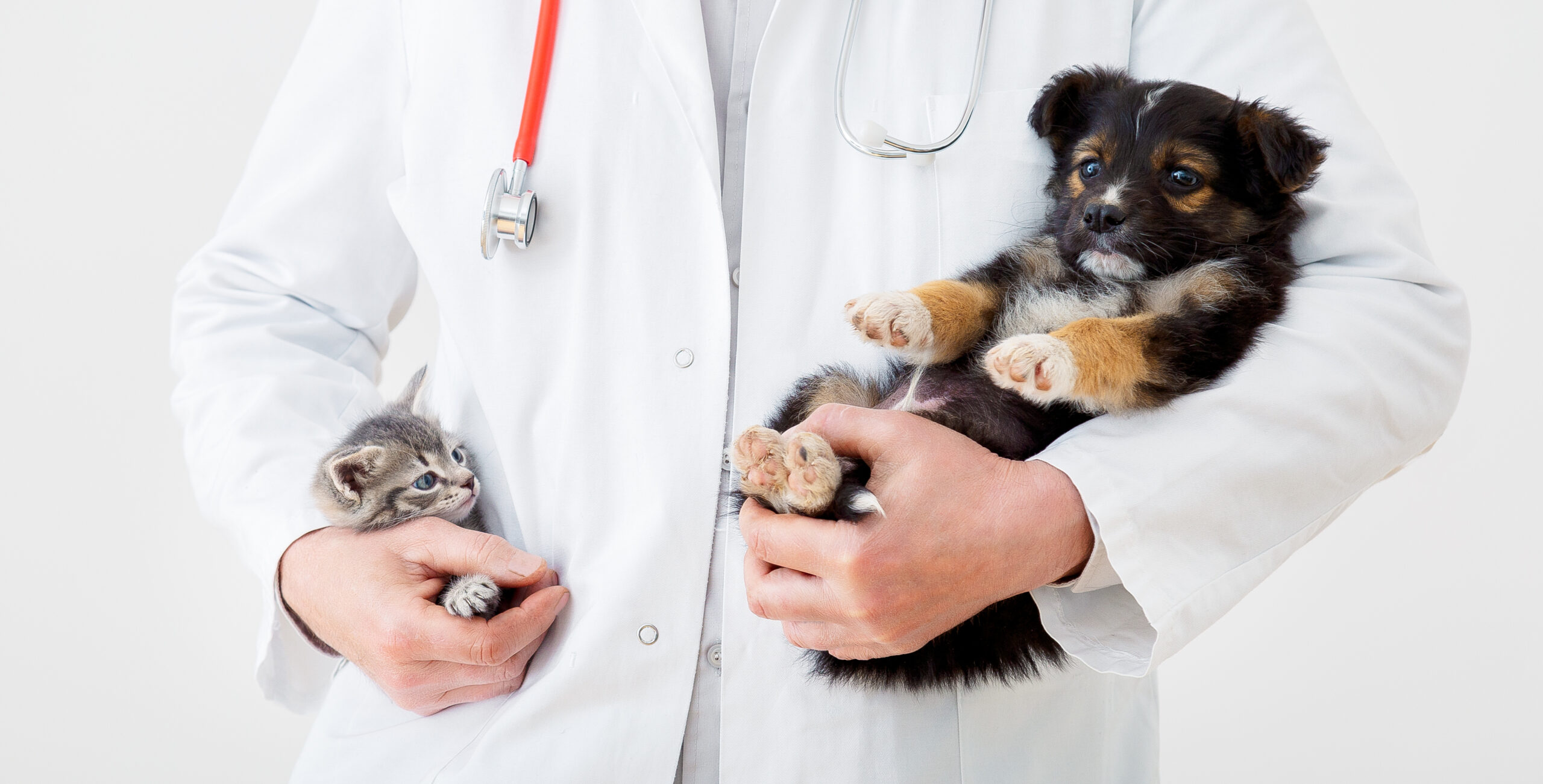
 There is a particular kind of worry that comes with bringing home a new puppy or kitten, and it usually shows up around the same time someone mentions spaying or neutering. One friend says do it early. A breeder says wait. A forum post insists that waiting protects large-breed joints. Suddenly a decision that felt simple starts to feel like something you could get wrong, and nobody wants to get it wrong when it comes to a pet who has already wormed their way into the family.
At Grace Animal Hospital, we hear this worry often enough to know it deserves more than a generic answer. We look at your pet as an individual, weighing breed, size, sex, and health before we ever land on a recommended age, and we walk through that reasoning with you at a wellness visit so the decision feels like yours, not something handed down from a chart.
Why There Is No Single Right Age
Spaying or neutering does more than close the door on future litters. It removes the organs responsible for certain hormones, and those hormones quietly shape behavior, growth, and long-term health along the way. That ripple effect is exactly why one universal age never tells the whole story.
Cats tend to make the decision easier. They mature quickly, and waiting too long can invite spraying, roaming, or an unplanned litter if your cat spends any time outdoors. Dogs ask more of us. Growth plates close at different ages depending on breed and size, and hormones can influence that timeline, so a small breed puppy and a giant breed puppy rarely belong on the same schedule.
What Goes into Our Recommendation
During your pet’s wellness exam, we are looking past the date on the calendar. Breed size tells us a great deal, as larger breeds often do better waiting a bit longer to protect joint and bone development as they grow. Sex plays a role too, as male and female pets can carry different considerations around growth and behavior.
The Details that Shape Your Pet’s Timeline
Health status matters just as much as breed. A pet managing an underlying condition may need a modified plan or a bit more caution before surgery. We also ask about home life, because a dog who spends real time outdoors or around other unaltered animals may benefit from an earlier procedure than one living a quieter, more contained routine.
If anesthesia is the part keeping you up at night, that worry is understandable, and also one we can ease. Modern protocols and closer monitoring have made this surgery considerably safer for younger animals than it was even a decade ago, and we tailor every plan to your pet’s size and health so safety stays the priority no matter when the procedure happens.
The Questions We Hear Most
A handful of questions come up in nearly every conversation about timing, and getting ahead of them tends to replace a lot of the second-guessing pet owners walk in with.
We typically recommend cats be spayed or neutered around six months of age, while dogs do not follow one universal timeline because breed, size, and individual health status all shape the right window.
We know pet parents want a clean, simple answer, and while we cannot hand you the exact same age we would give every pet, we can talk through the following before we settle on a recommendation together:
- Your pet’s breed and projected adult size
- Current weight, growth stage, and general health
- Your household environment and daily routine
- Any behavioral concerns you have noticed
Once we have the full picture, the recommendation stops feeling like a guideline pulled from an average pet and starts feeling like a plan built around yours.
A Look at What the Day Itself Feels Like
On the day of the procedure, your pet is thoroughly checked over before anesthesia even begins. We watch vital signs closely throughout surgery and stay attentive afterward, including pain management, so the whole experience stays as gentle as possible. Most pets head home the same day and are back to their usual antics within a week or two, and we send you off with clear guidance on activity limits and incision care so nothing is left to guesswork.
Many families use this same visit to ask about vaccination schedules or microchipping, as folding preventive care into fewer visits tends to be easier on everyone, pet included. Our team is glad to talk through what fits your pet’s broader care plan at the same appointment.
Scheduling Your Pet’s Procedure at Grace Animal Hospital
Deciding when to spay or neuter a pet should not feel like a guessing game, and it does not have to be one. Our team weighs breed, size, health, and lifestyle before recommending a timeline, and because we are open six days a week with walk-in and same-day appointments, finding time for that conversation fits into your life rather than complicating it further.
If you have a puppy or kitten at home and are not sure where to begin, we would much rather talk it through with you in person than let you sit with the uncertainty. Reach out to us, and we will find a time that works for you both.