
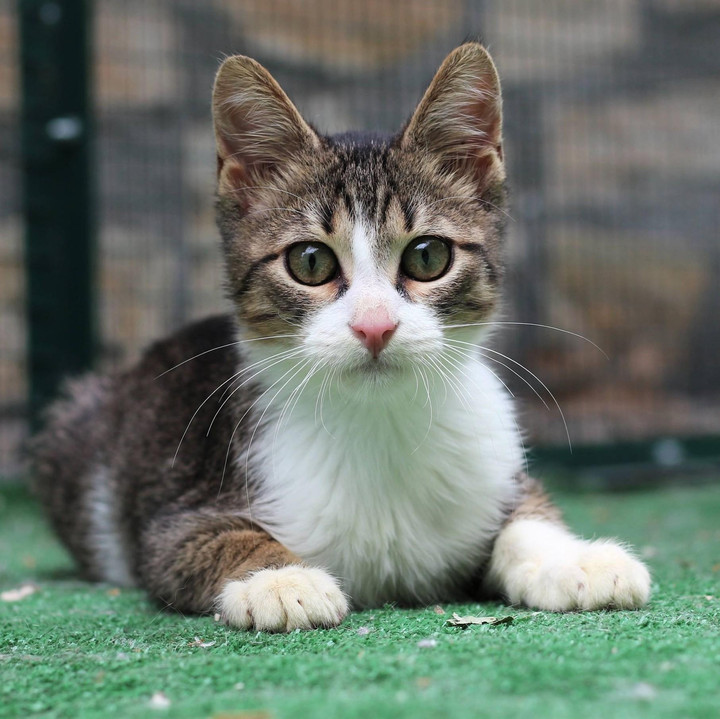
If you’ve recently heard your cat has tested positive for Feline Immunodeficiency Virus (FIV), take a deep breath, you’re not alone, and your cat can still live a long, happy life.
At Grace Animal Hospital, we believe that understanding your pet’s health is the first step in giving them the best care possible. Let’s break down what FIV is, how it’s diagnosed, and what it means for your cat moving forward.
What Is FIV?
FIV stands for Feline Immunodeficiency Virus, a virus that affects a cat’s immune system, similar in concept to HIV in humans. Over time, it can weaken your cat’s ability to fight off infections.
The important thing to know? Many cats with FIV live long, normal lives, especially with proper care.
There is often a long period where cats show no symptoms at all, and our goal is to keep them healthy during this time for as long as possible.
How Is FIV Diagnosed?
FIV is typically discovered through a simple blood test performed during a routine wellness exam.
- Initial screening tests detect antibodies
- Positive results are often confirmed with additional testing (like PCR or Western Blot)
- Kittens under 6 months may test positive temporarily due to their mother’s antibodies
That’s why follow-up testing is so important, especially for young cats.
How Do Cats Get FIV?
The most common way FIV spreads is through deep bite wounds, usually from fights between cats.
Other key points:
- Casual contact (sharing bowls, grooming, snuggling) is very unlikely to spread FIV
- Transmission from mother to kitten is rare
- It is not contagious to humans
What Happens If My Cat Tests Positive?
An FIV diagnosis doesn’t mean your cat can’t thrive. It just means we need to be more intentional about their care.
1. Keep Your Cat Indoors
This helps:
- Prevent spreading the virus to other cats
- Protect your cat from additional infections
Indoor living is one of the most important steps in managing FIV.
2. Focus on High-Quality Nutrition
Avoid raw diets, as they can expose your cat to bacteria and parasites that a weakened immune system may struggle to handle.
Stick with trusted, balanced commercial diets.
3. Stay on Top of Preventative Care
FIV-positive cats need:
- Regular parasite prevention
- Routine wellness exams (ideally twice a year)
- Annual bloodwork to monitor overall health
Even small changes, like weight loss or low energy, should be checked promptly.
4. Be Thoughtful About Vaccinations
Vaccination plans may vary depending on your cat’s lifestyle:
- Indoor-only cats may not need all vaccines
- Outdoor or exposed cats may still require them
We’ll help tailor a vaccination plan specifically for your pet.
5. Monitor for Changes
Because FIV affects the immune system, early detection of illness is key.
Watch for:
- Weight loss
- Decreased appetite
- Changes in behavior
- Signs of infection
Catching issues early can make a big difference.
Can FIV Be Treated?
There’s no cure for FIV, but supportive care can go a long way.
Some treatments may include:
- Managing infections quickly
- Immune-support strategies (with veterinary guidance)
- In certain cases, antiviral medications for specific symptoms
The focus is always on quality of life and prevention.
Living With an FIV-Positive Cat
Here’s the good news: FIV-positive cats can live full, happy lives, often alongside other cats in the home, as long as they are not aggressive.
With proper care, many pet owners find that their FIV-positive cats are just as loving, playful, and joyful as any other.
When to Talk to Your Vet
If your cat has been diagnosed with FIV, or if you’re considering testing, our team at Grace Animal Hospital is here to help you every step of the way.
We’ll work with you to:
- Create a personalized care plan
- Monitor your cat’s health
- Answer every question (big or small)
Staying current on parasite testing and prevention is an important part of keeping an FIV-positive cat as healthy as possible.
Frequently Asked Questions About FIV in Cats
How long can a cat live with FIV?
Many FIV-positive cats live for years, even decades, without significant health problems. The virus progresses slowly, and cats can spend long periods with no symptoms at all. With regular veterinary monitoring, good nutrition, and a protected indoor environment, an FIV-positive cat can have an excellent quality of life. Life expectancy depends on when the virus was contracted, the cat’s overall health, and how consistently they receive preventive care.
Can an FIV-positive cat live with other cats?
In many cases, yes. Because FIV spreads primarily through deep bite wounds rather than casual contact, FIV-positive cats that are not aggressive can often coexist safely with other cats. Sharing food bowls, grooming, and snuggling carry very low transmission risk. That said, introducing a new cat to the household always warrants a conversation with your veterinarian so you can make the safest decision for all of your pets.
What are the early signs of FIV in cats?
In the early stages, many FIV-positive cats show no symptoms at all. When signs do appear, they may include mild fever, swollen lymph nodes, decreased appetite, or a period of lethargy. As the immune system weakens over time, cats may develop recurring infections, dental disease, unexplained weight loss, or slow-healing wounds. Routine wellness exams and bloodwork are the best way to monitor your cat’s health over the long term.
Is FIV in cats contagious to humans?
No. FIV is a species-specific virus and cannot be transmitted to humans, dogs, or other non-feline animals. You can safely pet, cuddle, and care for an FIV-positive cat without any risk to yourself or other household members. The virus is only a concern between cats.
How often should an FIV-positive cat visit the vet?
Veterinarians typically recommend twice-yearly wellness exams for FIV-positive cats rather than the standard annual visit. More frequent check-ins allow your vet to catch subtle changes early, run bloodwork to monitor immune function, and adjust the care plan as needed. Even small shifts, like mild weight loss or a change in activity level, can be meaningful in a cat whose immune system is compromised. Staying proactive is the best way to keep an FIV-positive cat comfortable and healthy for as long as possible.