
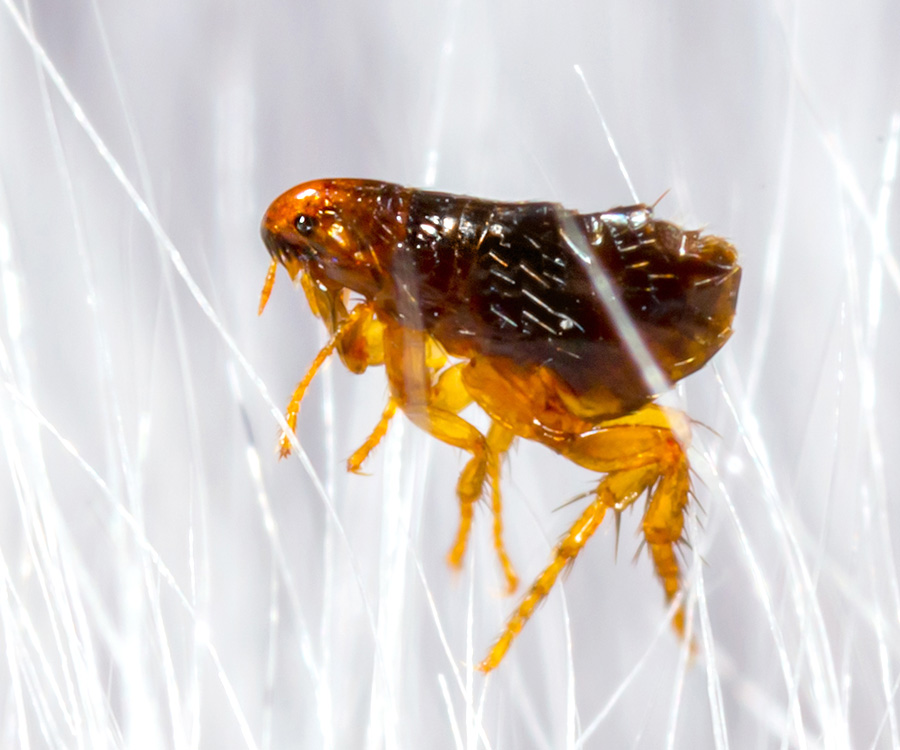
If you live in Holly Springs, NC, fleas aren’t just a summer nuisance, they’re a year-round risk for cats and dogs. With North Carolina’s warm climate, flea populations thrive, and in severe cases, they can cause life-threatening anemia in pets.
Many pet owners don’t realize how serious fleas can be, because sometimes pets don’t even itch.
Fleas Don’t Just Itch, They Drink Blood
Fleas survive by feeding on your pet’s blood. When infestations become heavy, the blood loss can lead to anemia, which means there aren’t enough red blood cells to carry oxygen through the body. In severe cases, this can become life-threatening.
What makes this especially dangerous is:
- Pets may not scratch unless they’re allergic to flea bites
- You may not see fleas if your pet grooms frequently
- Infestations can grow without obvious symptoms
That means your dog or cat in Holly Springs could have fleas, even if they seem completely fine.
Pets Most at Risk in Holly Springs, NC
Flea anemia typically affects:
- Kittens raised outdoors
- Outdoor cats
- Puppies
- Elderly pets
- Pets with weakened immune systems
Young animals are especially vulnerable because they don’t have much blood to spare and can’t groom effectively.
This is especially important in Holly Springs neighborhoods, where pets may spend time:
- In wooded yards
- Near greenways and trails
- Around wildlife (raccoons, squirrels, opossums)
- At dog parks
- In multi-pet households
These environments make flea exposure more likely.
Signs of Flea Anemia in Dogs and Cats
Watch for these symptoms:
- Pale gums (light pink to white)
- Weakness or lethargy
- Cold body temperature
- Decreased appetite
- Weight loss
- Pets eating dirt or litter (iron-seeking behavior)
Veterinarians often diagnose anemia with a hematocrit (PCV) blood test to measure red blood cell levels.
If levels drop too low, pets may need:
- Blood transfusions
- Iron supplementation
- Immediate flea removal
- Supportive care
Why Fleas Are Common in Holly Springs, NC
North Carolina’s climate makes flea prevention critical:
- Mild winters allow fleas to survive
- Humidity helps flea eggs hatch
- Wildlife spreads fleas into yards
- Apartment communities allow easy transfer between pets
- Indoor pets can still get fleas from shoes or clothing
Because of this, vets recommend year-round flea prevention, not just summer treatments.
How to Prevent Flea Anemia
Here’s how Holly Springs pet owners can protect their pets:
1. Use Monthly Flea Prevention Year-Round
Topical treatments, chewables, and vet-recommended preventatives stop infestations before they start. Talk to your veterinarian about choosing a safe and effective flea preventative for your specific pet.
2. Check for Flea Dirt
Black pepper-like specks in fur are flea droppings, and a sign fleas are present even if you don’t see them.
3. Treat Your Home
If fleas are present:
- Wash bedding
- Vacuum carpets and furniture
- Treat yards if necessary
- Treat all pets in the home
4. Schedule Regular Vet Visits
Annual wellness exams give your veterinarian a chance to assess your pet’s flea exposure risk and help you choose:
- Safe flea preventatives
- Fast-acting treatments
- Long-term protection plans
The Bottom Line for Holly Springs Pet Owners
Fleas aren’t just annoying, they can be dangerous. Severe infestations can cause life-threatening anemia, especially in kittens, puppies, and older pets. The good news? This condition is completely preventable with consistent flea control.
If you live in Holly Springs, NC, staying proactive is the best way to protect your pets year-round.
Keep your pet protected, check regularly, and don’t assume “no scratching” means no fleas. For complete parasite protection, ask your vet about heartworm testing and prevention at your next visit.
Frequently Asked Questions About Flea Anemia in Cats and Dogs
How do I know if my pet has flea anemia?
The most telling signs of flea anemia are pale or white gums, weakness, lethargy, cold body temperature, and decreased appetite. Some pets will also lose weight or exhibit unusual behaviors like eating dirt or litter as their body seeks iron. Because these symptoms can develop gradually, many pet owners do not notice a problem until the anemia is already moderate to severe. If your pet seems unusually tired or has pale gums, contact a veterinarian right away.
Can fleas cause anemia even if my pet is not scratching?
Yes. Scratching is a sign of a flea allergy, not of flea infestation itself. Many pets, especially those without a flea allergy, tolerate flea bites without visible itching while a heavy infestation still develops. Cats in particular are efficient groomers and will remove fleas before you see them. This is why a pet that appears comfortable can still be losing blood to fleas at a dangerous rate, particularly in kittens and young animals.
How is flea anemia treated in cats and dogs?
Treatment depends on how severe the anemia is. In mild cases, eliminating the flea infestation and supporting the pet with iron supplementation and good nutrition is often enough. In moderate to severe cases, a blood transfusion may be necessary to stabilize the pet before other treatment can proceed. All flea anemia cases require immediate and thorough flea removal from the pet, the home, and the yard, along with ongoing flea prevention to stop the infestation from returning.
How quickly can flea anemia develop in kittens?
In very young kittens, flea anemia can develop within days of a heavy infestation. Kittens have a small total blood volume, and even a moderate number of fleas can cause rapid blood loss. Neonatal and unweaned kittens are at the highest risk because they cannot groom themselves and are often unable to escape flea exposure. Any kitten that is pale, limp, cold, or not nursing well should be seen by a veterinarian immediately.
What flea prevention do vets recommend for pets in Holly Springs, NC?
Because Holly Springs experiences mild winters and high humidity, veterinarians recommend year-round flea prevention rather than seasonal treatment alone. Options include monthly oral chewables, topical spot-on treatments, and longer-acting collar products, all of which should be selected based on your pet’s species, age, weight, and lifestyle. Over-the-counter products vary widely in effectiveness and safety, so it is always best to ask your veterinarian which product is right for your specific pet.