
Whether you are loading up the car for a weekend road trip or planning a longer vacation, bringing your pet along can make the experience even more meaningful. With some planning and the right preparations, most pets can travel comfortably and safely. The risks that come with travel, from heat exposure to lost ID tags to unfamiliar environments, are manageable when you know what to anticipate.
At Grace Animal Hospital in Holly Springs, NC, we help pet owners prepare for travel with their dogs, cats, and other companions every year. Before you hit the road or book a flight, here is what every pet owner needs to know.
Car Safety for Your Pet
Road trips are the most common way pet owners travel with their animals, and the car itself is one of the biggest safety risks if pets are not properly secured. An unrestrained pet can become a projectile during a sudden stop or accident, injuring themselves and the people in the vehicle.
Dogs should ride in a crash-tested harness attached to a seat belt, or inside a secured crate that does not shift when the car brakes. Cats generally travel best in hard-sided carriers placed on the seat and secured with a seat belt through the carrier handle. Never allow pets to ride with their head out of the window, as road debris, wind pressure, and sudden stops all pose real hazards.
Plan to stop every two to three hours to offer water, allow your pet to relieve themselves, and give them a short walk or stretch. Keep dogs on a leash whenever you stop in an unfamiliar location. In summer heat, be aware that a parked car can reach dangerous temperatures within minutes, even with windows cracked. If you need to leave the car for any reason, take your pet with you.
Air Travel Considerations
Flying with a pet involves more planning than road travel. Small pets that fit in an airline-approved carrier may travel in the cabin under the seat, but larger animals typically need to fly in cargo, which carries its own set of risks from temperature changes and handling.
If air travel is necessary, choose a direct flight whenever possible to reduce time in cargo and minimize the chance of your pet being left on a tarmac during weather delays. Airlines require an approved, ventilated crate large enough for your pet to stand, sit, and turn around comfortably. Attach a small bag of dry food to the crate exterior so airline personnel can feed your pet during extended layovers.
Most airlines also require a health certificate issued by a licensed veterinarian within 10 days of travel. Contact your airline directly to confirm their specific requirements before booking, as policies vary and change frequently.
Vaccinations and Health Certificates
Before any trip, verify that your pet’s vaccinations are current. Traveling exposes pets to different environments, other animals, and varying local disease pressures. Rabies vaccination is required across state lines in most circumstances, and some destinations, especially dog parks, boarding facilities, and vacation rentals, require proof of additional vaccines such as Bordetella.
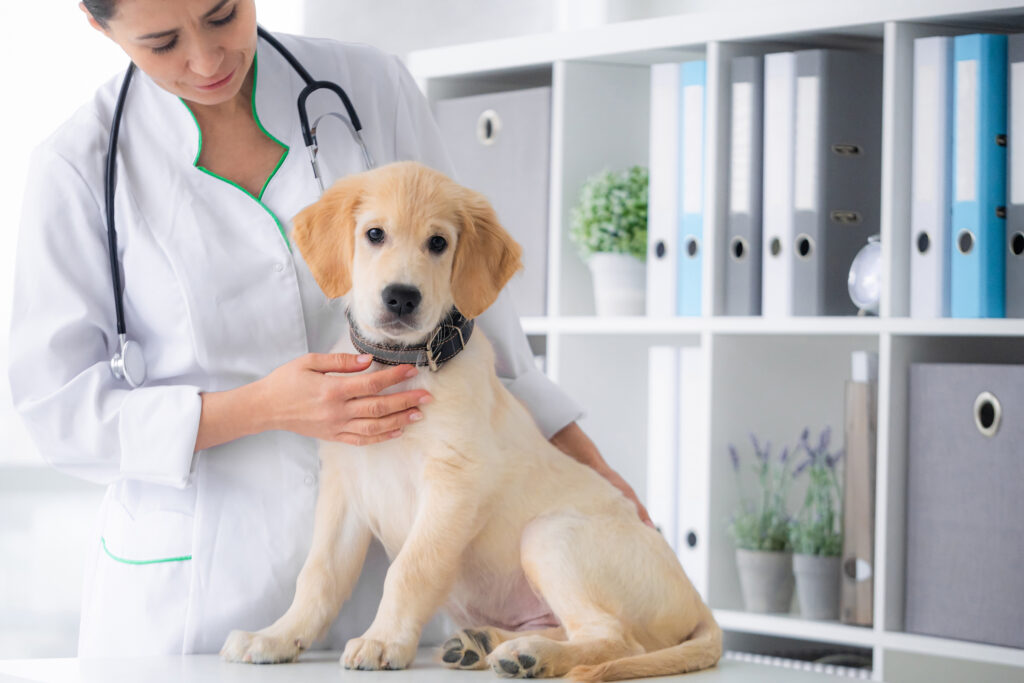
A pre-travel wellness exam at Grace Animal Hospital is a practical step for any pet who will be away from home for more than a day or two. Our team can confirm vaccinations are current, address any underlying health concerns that could affect how your pet tolerates travel, and issue the health certificate required for air travel or interstate trips.
Finding Pet-Friendly Accommodations
Not all hotels, vacation rentals, or campgrounds accept pets. Even those that do may have weight limits, breed restrictions, or rules about leaving pets unattended in rooms. Research accommodations before you book and confirm the specific pet policy in writing if possible.
Pack familiar items from home, including your pet’s regular bed, a favorite toy, and their normal food. Familiar smells reduce anxiety in unfamiliar settings. Avoid switching to a different food brand while traveling, as dietary changes can cause stomach upset that complicates an otherwise smooth trip. Some pets also benefit from a worn t-shirt placed in their carrier or sleeping area to provide a comforting scent.
Emergency Preparedness on the Road
Pack a pet travel kit that includes your pet’s regular medications, a copy of their vaccination records, a recent photo, and the contact information for emergency veterinary clinics along your route and at your destination. Know the nearest 24-hour veterinary emergency facility before you arrive.
Make sure your pet is wearing an ID tag with a current phone number, and verify that their microchip registration is up to date before departure. If your pet becomes lost in an unfamiliar area, current identification is what makes the difference between a quick reunion and a prolonged search.
Some pets experience motion sickness or travel anxiety. Signs include drooling, vomiting, restlessness, or reluctance to enter the vehicle. If your pet has shown these signs in the past, talk to your veterinarian before a long trip. There are safe, effective options for managing both conditions that can make travel much more comfortable for anxious or sensitive animals.
Frequently Asked Questions About Traveling with Pets
How far in advance should I schedule a pre-travel vet visit?
Plan to schedule your pre-travel wellness exam two to four weeks before departure. This gives time to catch up on any vaccinations that need a booster, address any health concerns that could affect how your pet tolerates travel, and obtain the health certificate required for air travel within the required 10-day window before your flight date.
Can I leave my pet alone in a hotel room during vacation?
This depends on both the hotel’s policy and your pet’s comfort level. Some hotels prohibit leaving pets unattended; others allow it with the understanding that you are responsible for any damage or noise complaints. If your pet experiences separation anxiety or is prone to destructive behavior in unfamiliar spaces, it is better to bring them with you on outings or find pet-friendly activities rather than leaving them alone in an unfamiliar room.
What should I include in a pet travel kit?
A complete pet travel kit includes food and treats, a portable water bowl, leash and collar with current ID tags, waste bags, any prescription medications with enough supply for the full trip, a copy of vaccination records, a recent photo of your pet, a favorite toy or blanket for comfort, and the contact information for emergency veterinary clinics at your destination.
Do I need a health certificate for a road trip across state lines?
Some states require a certificate of veterinary inspection at certain interstate crossings, though this is not universally enforced for road travel within the continental United States. Air travel and international travel always require a valid health certificate. Regardless, carrying proof of current rabies vaccination is recommended any time you travel across state lines with your pet.
How can I help a pet that gets anxious or carsick during travel?
Start with short practice drives before any long trip so your pet can acclimate to the vehicle. Ensure good ventilation and keep the car cool. Feed your pet a light meal a few hours before travel rather than right before departure. If anxiety or motion sickness is significant, talk to your veterinarian before the trip. There are prescription and over-the-counter options that can safely reduce nausea and stress for sensitive travelers.
Traveling with a pet takes more preparation than going alone, but the payoff is well worth it. With the right precautions in place, your dog or cat can be a safe and comfortable companion on the road. If you have questions about preparing your pet for an upcoming trip or need to schedule a pre-travel exam, book an appointment with Grace Animal Hospital in Holly Springs, NC. Our team is here to help make sure your pet is ready for wherever the road takes you.