At Grace Animal Hospital, located in Holly Springs, NC, we recognize the significance of regular dental care for our beloved pets. Routine dental cleanings are among the most important preventive care steps you can take for your dog or cat, yet they remain one of the most commonly skipped services in veterinary care. Understanding why regular cleanings matter, and what to expect from the process, helps pet owners make informed decisions that can extend and improve the quality of their pet’s life.
The Hidden Impact of Poor Oral Hygiene: Beyond Bad Breath
Many pet owners underestimate the impact of inadequate oral hygiene on their pet’s well-being. Neglecting regular dental cleanings can lead to various problems, including bad breath, gum disease, and even heart and kidney complications.
Just like humans, pets can develop plaque and tartar on their teeth. Plaque, a sticky bacterial film, can harden into tartar if left untreated. Tartar buildup can trigger gum inflammation, known as gingivitis, causing pain and discomfort. If neglected, it can progress into a more severe form of gum disease called periodontitis. By the time most pet owners notice a problem, dental disease has often been developing silently for months or years.
Beyond Gum Disease: Dental Health and Overall Wellness
Neglecting your pet’s dental health can also result in tooth loss and oral infections that may spread to other parts of their body. These infections can lead to serious health issues, including heart and kidney disease. Regular pet dental cleanings are recommended for all pets, even those with apparently healthy teeth and gums.
Our veterinarians conduct a comprehensive examination of your pet’s mouth during a cleaning, checking for signs of oral disease or infection. The cleaning process removes plaque and tartar buildup both above and below the gumline. Additional treatments such as fluoride therapy, dental radiography, or extractions may be recommended if necessary based on what we find during the exam.
How Often Should Pets Have Professional Dental Cleanings?
Most veterinarians recommend professional dental cleanings once a year for the average adult dog or cat. Some pets, particularly small-breed dogs and cats prone to rapid tartar buildup, may benefit from cleanings every six months. Dental cleanings should begin early in a pet’s life, ideally starting around age one for small breeds and age two for larger dogs.
Professional cleanings require general anesthesia so veterinarians can thoroughly clean beneath the gumline, perform a complete oral exam, and take full-mouth X-rays if needed. A visual examination alone is not sufficient to diagnose dental disease in its earlier stages. Anesthesia-based cleanings, while sometimes a concern for owners, are the standard of care and the only method that addresses what is happening beneath the surface of the gumline.
The Lifespan-Enhancing Benefits of Regular Dental Cleanings
Regular dental cleanings at Grace Animal Hospital not only improve your pet’s oral health but can also extend their lifespan. Pets with well-managed dental health are less prone to the systemic complications associated with untreated periodontal disease, and they are more comfortable on a day-to-day basis. Many pets with dental disease eat less, play less, and show subtle signs of discomfort that owners often attribute to normal aging rather than a treatable oral condition.
Starting cleanings early and maintaining a consistent schedule makes each subsequent appointment easier and less involved. Pets whose dental health is managed proactively rarely reach the severe stages of periodontal disease that require extensive, costly intervention later in life.
At-Home Dental Care Between Professional Cleanings
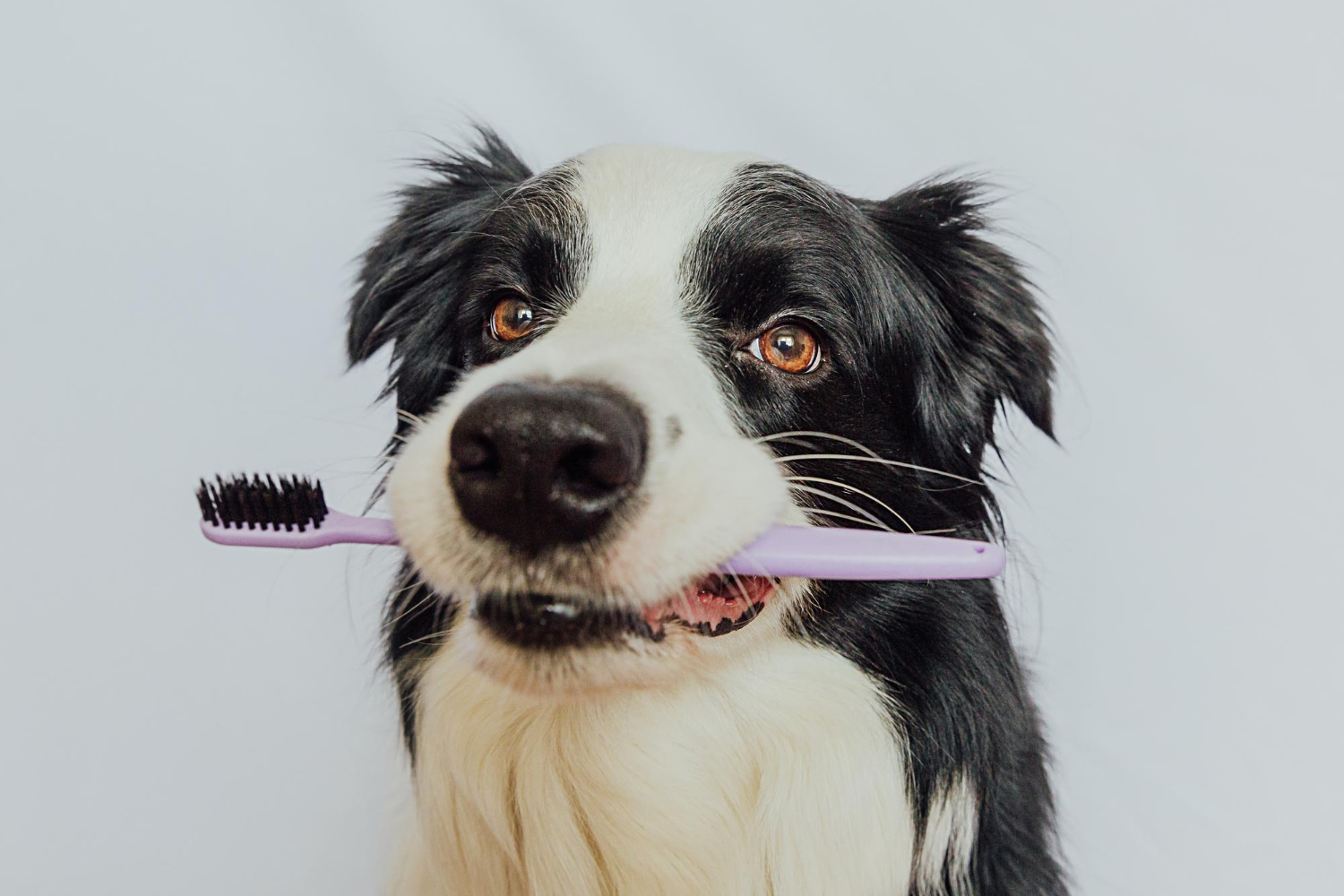
At-home dental care, such as brushing your pet’s teeth daily or every other day, is the most effective thing owners can do between professional appointments. Daily brushing with a pet-safe toothpaste and a soft-bristled brush removes plaque before it can harden into tartar. Even a few swipes on each tooth can have a meaningful impact over time.
For pets that resist brushing, other options include dental chews approved by the Veterinary Oral Health Council (VOHC), water additives that fight bacteria, and dental-focused diets. Your veterinarian can help you identify the at-home approach that works best for your individual pet’s needs and temperament, creating a routine that complements professional cleanings rather than replacing them.
Frequently Asked Questions About Pet Dental Care
Why does my pet need anesthesia for a dental cleaning?
Anesthesia allows veterinarians to clean beneath the gumline, where the most damaging dental disease occurs, and to take full-mouth X-rays. Pets cannot hold still long enough for thorough subgingival cleaning while awake, and attempting to do so would be stressful and potentially harmful. Anesthesia-free dental cleanings only address the visible surface of teeth and leave the majority of dental disease untreated.
How can I tell if my pet has dental disease?
Common signs include bad breath, yellow or brown buildup on the teeth, red or swollen gums, drooling, chewing on one side of the mouth, dropping food, or reluctance to chew hard treats. Because pets instinctively hide pain, many animals with significant dental disease continue to eat normally. Annual exams and regular cleanings help catch disease before it becomes severe, even in pets that show no obvious symptoms.
What happens during a professional pet dental cleaning at Grace Animal Hospital?
Your pet will receive a pre-anesthetic exam and bloodwork to confirm they are safe for anesthesia. Once under anesthesia, a veterinarian or veterinary technician performs a complete oral exam, takes dental X-rays if indicated, and removes plaque and tartar from all surfaces of the teeth including below the gumline. Teeth that are fractured, infected, or non-salvageable may be extracted at the same visit. A report of findings is shared with you when your pet goes home.
At what age should I start getting my pet’s teeth cleaned professionally?
For most dogs and cats, the first professional dental cleaning is recommended between ages one and two. Small-breed dogs and cats are more prone to early tartar accumulation and may benefit from beginning cleanings closer to age one. Starting early makes each subsequent cleaning easier and helps prevent the advanced disease that is much more difficult, and more costly, to address later in a pet’s life.
Is brushing my pet’s teeth at home really necessary if they get professional cleanings?
Yes. Professional cleanings remove tartar that has already formed, but plaque begins accumulating again within 24 to 48 hours of a cleaning. Daily or every-other-day brushing removes plaque before it hardens, significantly slowing the rate at which tartar returns. Pets with consistent at-home care typically need less intensive professional cleanings and have healthier gums and teeth between appointments.
Prioritizing pet dental care is essential for their overall health and well-being. By scheduling regular professional cleanings and maintaining consistent at-home care, you can help your pet avoid pain, organ complications, and unnecessary tooth loss. If you have questions about your pet’s oral health or are ready to schedule a cleaning, book an appointment with Grace Animal Hospital today. Our experienced veterinarians are dedicated to providing the best dental care for your dog or cat.