
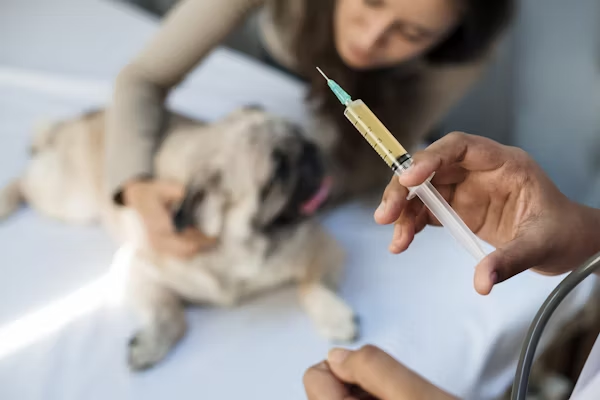
August is National Immunization Awareness Month, and while much of the focus is often on human health, it’s the perfect opportunity to shine a light on the vital role vaccinations play in keeping our pets healthy and safe. Just like people, pets rely on timely vaccinations to prevent a wide range of infectious diseases, some of which can be life-threatening or spread to humans.
Vaccinating your pet isn’t just a suggestion — it’s a key component of responsible pet ownership. For dogs and cats alike, staying current on core and lifestyle-based vaccines helps protect against illnesses that are often far more difficult and expensive to treat than they are to prevent.
Core Vaccines Every Pet Needs
Core vaccines are recommended for virtually all pets regardless of lifestyle, because the diseases they protect against are widespread, serious, or pose a risk to public health. For dogs, this typically includes rabies and combination vaccines covering distemper, parvovirus, and adenovirus. For cats, core vaccines generally cover rabies along with feline distemper (panleukopenia), calicivirus, and herpesvirus.
Lifestyle-Based Vaccines
Depending on your pet’s lifestyle, additional vaccines may be recommended. Dogs that frequent boarding facilities, dog parks, or grooming salons often benefit from vaccines covering bordetella (kennel cough) and canine influenza. Cats that spend time outdoors may be candidates for the feline leukemia vaccine. Your veterinarian can help determine which additional vaccines make sense based on your pet’s specific routine and risk factors.
Why Timing Matters
Puppies and kittens typically need a series of vaccines starting around six to eight weeks of age, with boosters continuing every few weeks until they reach about 16 weeks old. This series is important because a young animal’s immune system needs multiple exposures to build lasting protection. Adult pets then move to a regular booster schedule, which varies by vaccine and your pet’s individual health history.
Celebrate Immunization Awareness Month at Grace Animal Hospital
There’s no better time than August to check in on your pet’s vaccination status. If it’s been a while since your pet’s last visit, or if you’re unsure which vaccines they’re due for, our team can review their records and get them back on track. Schedule an appointment with Grace Animal Hospital today to help keep your pet protected.
Frequently Asked Questions About Pet Vaccinations
How often do adult pets need booster vaccines?
This varies by vaccine — some are given annually, while others, like rabies, may be effective for up to three years depending on the specific vaccine used. Your veterinarian can provide a schedule tailored to your pet.
Are vaccines safe for all pets?
Most pets tolerate vaccines very well, though your veterinarian will consider your pet’s age, health history, and any prior reactions before recommending a vaccine schedule.
Do indoor-only cats still need vaccines?
Yes. Core vaccines are still recommended for indoor cats, since some diseases can be introduced through other pets, humans, or even open windows and screens.
What if my pet missed a scheduled booster?
Contact your veterinarian as soon as possible. Depending on how much time has passed, your pet may need to restart part of the vaccine series to ensure full protection.
Can vaccines prevent diseases that spread to humans?
Yes, rabies being the most notable example. Keeping pets current on rabies vaccination helps protect both your pet and the people and animals around them.