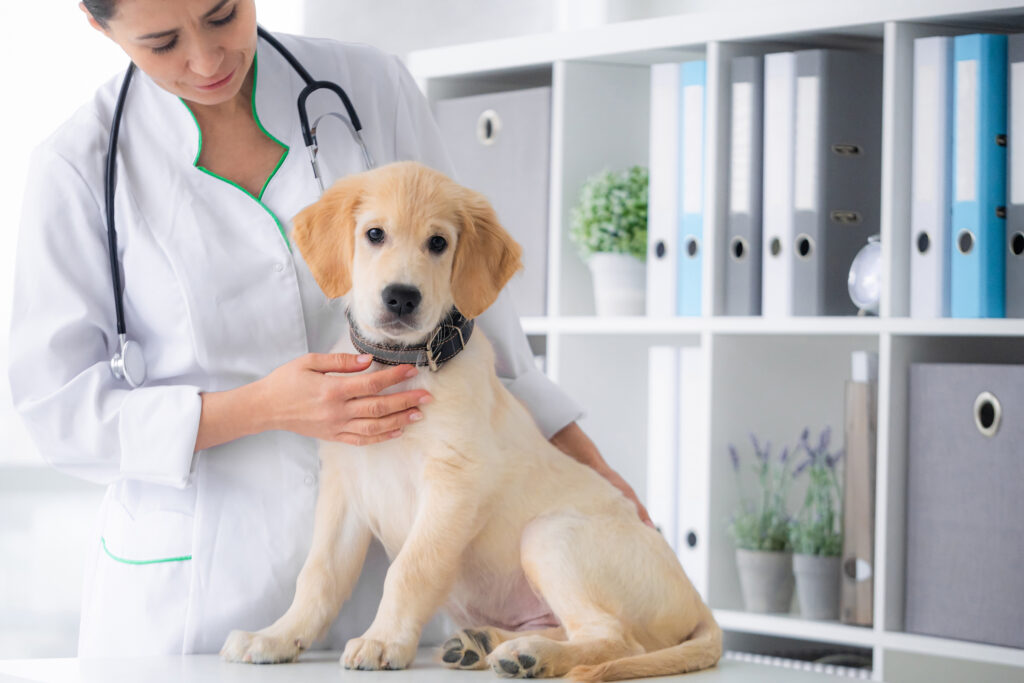
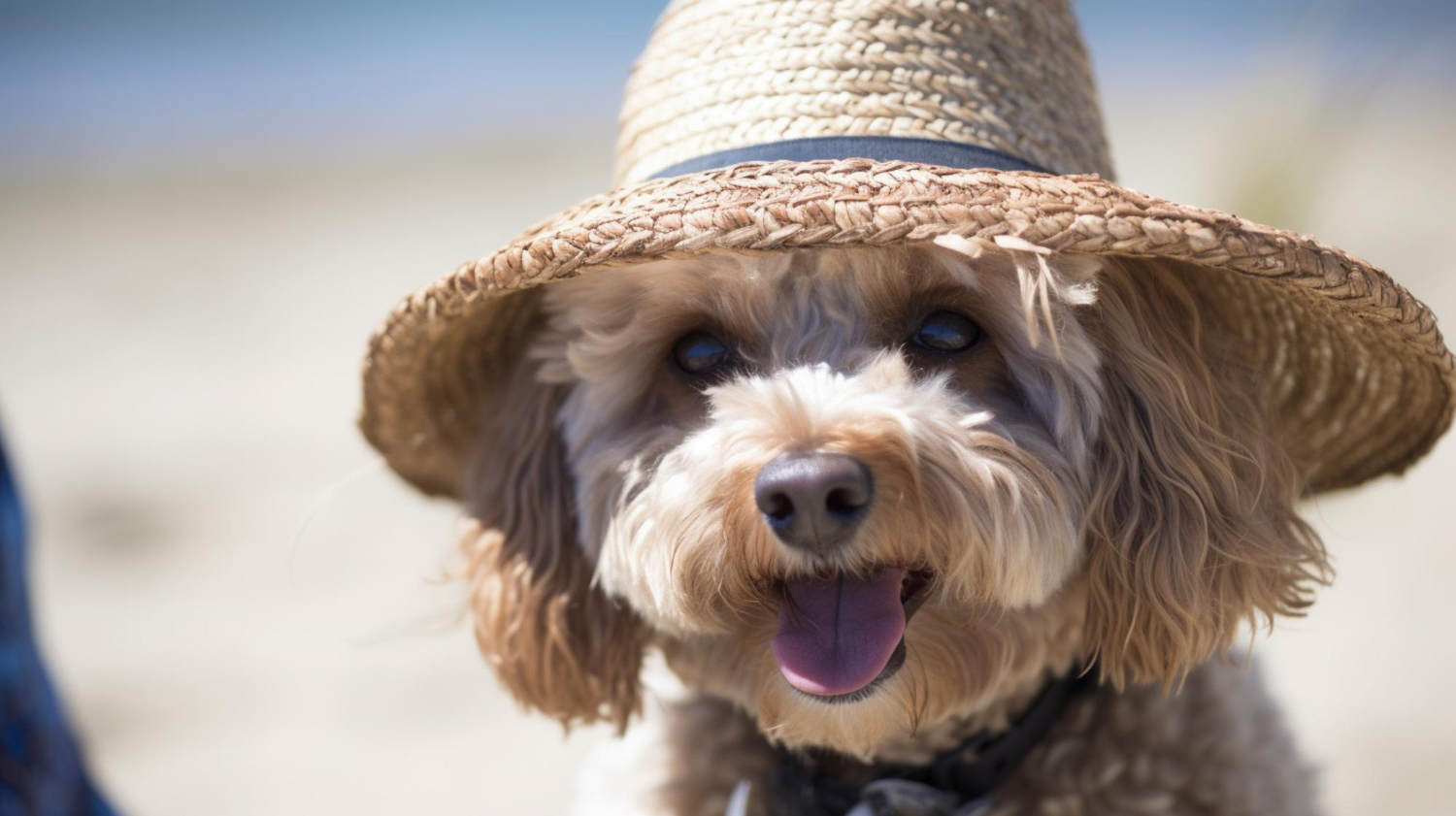
Summer in Holly Springs brings warm temperatures, outdoor adventures, and longer days, all of which mean more opportunity for your pet’s coat, nails, and ears to need attention. Grooming is not just about appearance. It directly affects your pet’s comfort, skin health, and ability to stay cool during the hottest months of the year.
At Grace Animal Hospital, we recommend year-round grooming routines for all pets, but summer brings some specific considerations that are worth addressing before heat and humidity take their toll on your dog or cat.
Coat Care in Summer: Managing Shedding and Heat
Regular brushing is one of the most effective things you can do for your pet in summer. Brushing removes loose undercoat fur that traps heat against the skin, reduces mats that can irritate the skin underneath, and distributes natural oils that keep the coat healthy. Dogs with double coats, such as huskies, golden retrievers, and German shepherds, shed heavily in summer and need more frequent brushing to prevent matting and overheating.
Resist the impulse to shave a double-coated dog in summer. The outer coat actually provides insulation against heat and protects the skin from sunburn. Shaving it can disrupt the natural cooling mechanism and may cause coat texture problems that persist for years. For single-coated dogs and cats, regular trimming to a comfortable length can be appropriate but should be done by a professional groomer familiar with each breed’s specific needs.
Bathing more frequently in summer is common and generally fine, provided you use a pet-safe shampoo and dry your pet thoroughly afterward. Moisture trapped in a thick coat or in skin folds can lead to bacterial or fungal infections, particularly during the humid NC summer months.
Nail Trimming: Why Summer Activity Raises the Stakes
Pets tend to be more active in summer, which increases the importance of keeping nails trimmed. Long nails can snag on outdoor surfaces, catch in grass or wood, or break in a way that is painful and prone to infection. Overgrown nails also change the way a pet distributes weight on its paws, which can contribute to joint discomfort over time.
Nails should be trimmed every three to four weeks for most dogs and cats. Dogs who spend time on hard surfaces like sidewalks and pavement may wear their nails down naturally, but those who stay mostly on grass or soft ground will need more consistent trimming. If you can hear your pet’s nails clicking on a hard floor, they are already overdue for a trim.
Many pet owners find nail trimming stressful for themselves and their pets. Short, positive practice sessions from a young age help pets tolerate it better. If you are uncertain about trimming safely at home, your veterinary team can demonstrate proper technique during a routine wellness visit.
Ear Cleaning: Protecting Your Pet From Summer Infections
Warm, humid summers create ideal conditions for ear infections, particularly in dogs who swim, have floppy ears, or have narrow ear canals. Water trapped in the ear canal following a swim or bath provides the warm, moist environment that yeast and bacteria thrive in. Summer is consistently the busiest season for ear infection diagnoses in veterinary practices.
Check your dog’s ears weekly during summer. Healthy ears look clean and pale pink inside, without odor or discharge. Signs of an infection include redness, dark waxy buildup, an unpleasant smell, scratching at the ears, or head shaking. Catching an infection early means treatment is simpler and the pet is more comfortable sooner.
Routine ear cleaning with a veterinarian-recommended ear rinse can help prevent buildup, but should not be overdone. Overcleaning can irritate the ear canal. After any swim or bath, gently wipe the outer ear with a dry cotton ball and allow the ear to air dry. Avoid inserting cotton swabs into the ear canal, as this can push debris deeper and cause injury.
Summer-Specific Grooming Considerations
Summer brings a few additional grooming concerns beyond the basic coat, nails, and ears. Paw pads can become dry and cracked from hot pavement, and checking paws regularly for cuts, foreign objects, or signs of heat damage is part of a thorough summer grooming routine. Pet-safe paw balm can help maintain pad health during high-temperature months.
Pets that spend time outdoors in grassy areas should be checked for ticks and mats daily. Ticks can hide in armpits, groin, behind the ears, and between the toes. Running a fine-toothed comb through a thick coat after outdoor time is a practical way to catch both tangles and parasites before they become problems. For more guidance on keeping pets healthy in the heat, our team also has tips on hot weather pet safety for North Carolina pet owners.
When to See Your Veterinarian for Grooming Concerns
Some grooming issues point to an underlying health condition rather than just a need for brushing or bathing. Persistent hair loss, skin redness or odor that returns quickly after bathing, scaling or flaking, or unusually fast nail growth can all be signs of allergies, thyroid issues, or other conditions that warrant a veterinary evaluation.
If your pet’s coat changes noticeably in texture or density, or if they are scratching and licking more than usual, a wellness exam at Grace Animal Hospital is the right next step. Our veterinarians can distinguish grooming-related discomfort from a medical condition and create a care plan that addresses both.
Frequently Asked Questions About Summer Pet Grooming
Should I shave my dog in summer to help them stay cool?
For most double-coated breeds, shaving is not recommended. The outer coat reflects sunlight and provides insulation against heat while also protecting the skin from UV exposure. Shaving a double coat can disrupt the natural cooling system and may cause the coat to grow back with a different texture. Regular brushing to remove the undercoat is a more effective and safer approach for keeping double-coated dogs comfortable in summer.
How do I know if my dog has an ear infection?
Common signs include persistent scratching at the ears, head shaking, redness or swelling inside the ear flap, dark discharge, and an unpleasant odor from the ear. Some pets also tilt their head or seem sensitive when the ear is touched. If you notice any of these signs, a veterinary exam is the right next step. Ear infections do not resolve without treatment and become more painful and difficult to treat the longer they go unaddressed.
How often should I brush my pet in summer?
This depends on your pet’s coat type. Heavy shedders and long-haired breeds may need daily brushing in peak shedding season, which often coincides with warmer months. Short-haired dogs and cats may need brushing once or twice a week. The goal is to prevent mats, remove loose fur, and keep air circulating through the coat. More frequent brushing also gives you regular opportunities to check the skin for irritation, parasites, or unusual lumps.
Can I use human nail clippers on my pet?
Human nail clippers are not designed for the thickness and curved shape of pet nails and can cause the nail to split or crack rather than cut cleanly, which is painful. Pet-specific nail clippers are the appropriate tool. If you are new to trimming your pet’s nails, ask your veterinarian to demonstrate the correct technique and identify where the quick is located before you attempt it at home.
Are there grooming differences between dogs and cats in summer?
Yes. Cats are generally self-grooming and less likely to need baths, but long-haired cats benefit from regular brushing in summer to prevent mats and hairballs. Cats also groom more frequently in heat, which can increase hairball formation. Dogs, depending on breed and activity level, typically need more direct grooming intervention in summer, including more frequent baths and more careful ear and paw checks after outdoor activity.
Consistent grooming throughout the summer keeps your pet more comfortable, healthier, and gives you regular opportunities to notice anything that needs veterinary attention. If you have grooming questions or want to schedule a summer wellness visit for your pet, book an appointment with Grace Animal Hospital in Holly Springs today. Our team is here to help your pet look and feel their best all season long.