Skin issues in cats can be frustrating for both pets and their owners. If your cat has been scratching, losing fur, or developing irritated skin, a condition called pyoderma may be the cause. At Grace Animal Hospital in Holly Springs, NC, we frequently help pet owners identify and treat skin infections like this so cats can return to healthy, comfortable lives.
Understanding what pyoderma is and what causes it can help you recognize the signs early and seek proper veterinary care.
What Is Pyoderma in Cats?
Pyoderma is a bacterial skin infection, also known as bacterial dermatitis. In cats, this condition is most commonly caused by Staphylococcus bacteria, which infect hair follicles and create inflammation in the skin.
These bacteria normally live on the skin without causing problems. However, when something disrupts the skin’s protective barrier, the bacteria can multiply and cause infection. Pyoderma is relatively uncommon in cats compared to dogs, which makes identifying underlying causes especially important when it does occur.
Common Causes of Pyoderma
In most cases, pyoderma develops because another condition weakens the skin or immune response. Some of the most common underlying causes include:
Allergies
Food allergies or environmental allergies can irritate the skin and lead to inflammation, creating the perfect environment for bacterial infections to take hold.
Fleas and Parasites
External parasites such as fleas can damage the skin through bites and scratching, allowing bacteria to enter. Consistent flea and tick prevention is one of the most effective ways to reduce your cat’s risk of secondary skin infections.
Hormonal Imbalances
Health conditions such as diabetes mellitus can affect the skin’s ability to fight infection, making cats with underlying metabolic conditions more susceptible to recurring pyoderma.
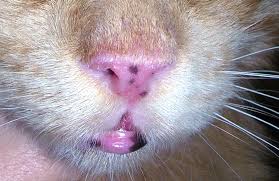
Feline Acne
Cats can develop a deeper type of pyoderma on the chin known as feline acne, which can become infected if left untreated. This form is most common in cats that eat from plastic bowls, which can harbor bacteria and irritate the chin area.
Because pyoderma often occurs as a secondary condition, veterinarians focus on identifying and treating the underlying cause as part of the overall treatment plan.
Signs Your Cat May Have a Skin Infection
Cats with pyoderma may show several visible symptoms, including:
- Hair loss or thinning fur
- Red, inflamed skin
- Scabs or crusty patches
- Pustules or small bumps
- Excessive scratching or grooming
- Irritated areas around the chin or face
If you notice these signs, it is important to schedule a veterinary exam promptly. Skin infections can worsen quickly without treatment, and early intervention makes the recovery process simpler and less disruptive for your cat.
Treatment Options for Pyoderma
Treatment depends on the severity of the infection and the underlying cause. Most cases respond well to a combination of topical and systemic therapy.
Topical Treatments
Many cases can be treated with antibacterial shampoos, sprays, or medicated rinses designed to kill bacteria and soothe irritated skin. Because cats groom themselves frequently, applying topical treatments can sometimes be challenging, and your veterinarian will advise on the best approach for your individual cat’s temperament.
Antibiotics
More severe infections may require antibiotics. Common treatments may include injectable medications such as cephalosporin or oral antibiotics like amoxicillin-clavulanic acid. For deeper infections, antibiotics may need to be given for a longer period.
One of the most important parts of treatment is completing the entire course of medication, even if the skin appears to improve early. Stopping antibiotics too soon can lead to antibiotic resistance or recurrence of the infection.
Why Follow-Up Veterinary Visits Matter
Recheck appointments are a key part of treating pyoderma. Your veterinarian may need to adjust medications or confirm that the underlying cause has been properly addressed. Skin cultures may be recommended for cases that do not respond to initial treatment, helping identify the specific bacteria involved and the most effective antibiotic options.
Without treating the root issue, skin infections can return repeatedly. A thorough wellness evaluation at Grace Animal Hospital helps ensure that the primary driver of your cat’s skin condition is found and managed, not just the symptoms.
Frequently Asked Questions About Pyoderma in Cats
Can pyoderma in cats go away on its own without treatment?
In most cases, no. Pyoderma is a bacterial infection that typically requires veterinary treatment to resolve. Without antibiotics or topical therapy, the infection can spread, deepen, or become chronic. More importantly, the underlying cause such as allergies, parasites, or a hormonal condition will not resolve on its own either. Early treatment leads to faster recovery and reduces the risk of recurrence.
Is pyoderma in cats contagious to other pets or people?
Pyoderma caused by Staphylococcus bacteria is generally not considered highly contagious between pets in a healthy household. However, if the infection is caused by a strain that can transfer between animals or if another pet in the home has a compromised immune system, transmission is possible. As a precaution, keep an affected cat from sharing bedding, grooming tools, or food bowls with other pets until the infection has resolved.
How long does it take for a cat to recover from pyoderma?
Most superficial cases of pyoderma begin to improve within one to two weeks of starting treatment. Deeper infections or cases involving an uncontrolled underlying condition may take several weeks to fully resolve. The full course of antibiotics should always be completed as prescribed, even when visible improvement occurs early. Follow-up appointments help confirm that the infection has cleared and that the primary cause is being managed.
Why does my cat keep getting skin infections after treatment?
Recurring pyoderma is almost always a sign that an underlying condition has not been fully identified or treated. The most common culprits are food or environmental allergies, flea infestation, or an unmanaged metabolic condition. Antibiotic resistance is also possible if previous treatment courses were not completed. A full dermatological workup, including skin cytology and potentially allergy testing, can help identify why infections keep coming back.
What is the difference between superficial and deep pyoderma in cats?
Superficial pyoderma affects the outer layers of the skin and hair follicles. It typically presents as small pustules, crusting, or patchy hair loss and often responds to topical treatment or a short course of antibiotics. Deep pyoderma extends into deeper skin tissue and may involve nodules, draining tracts, or significant inflammation. Deep infections require longer antibiotic courses and carry a greater risk of scarring. They are more likely to recur if the underlying cause is not addressed.
Veterinary Care for Cats in Holly Springs, NC
If your cat is showing signs of skin irritation, early veterinary care can prevent infections from becoming more serious. At Grace Animal Hospital in Holly Springs, NC, our team provides comprehensive skin evaluations to determine the cause of your cat’s symptoms and develop a treatment plan tailored to their needs.
From diagnosing allergies and parasites to treating bacterial infections, we are here to help your pet feel comfortable and healthy again. If you are concerned about your cat’s skin health, book an appointment with Grace Animal Hospital today and let our experienced veterinary team help your feline friend get back to feeling their best.